PODCAST 8 min
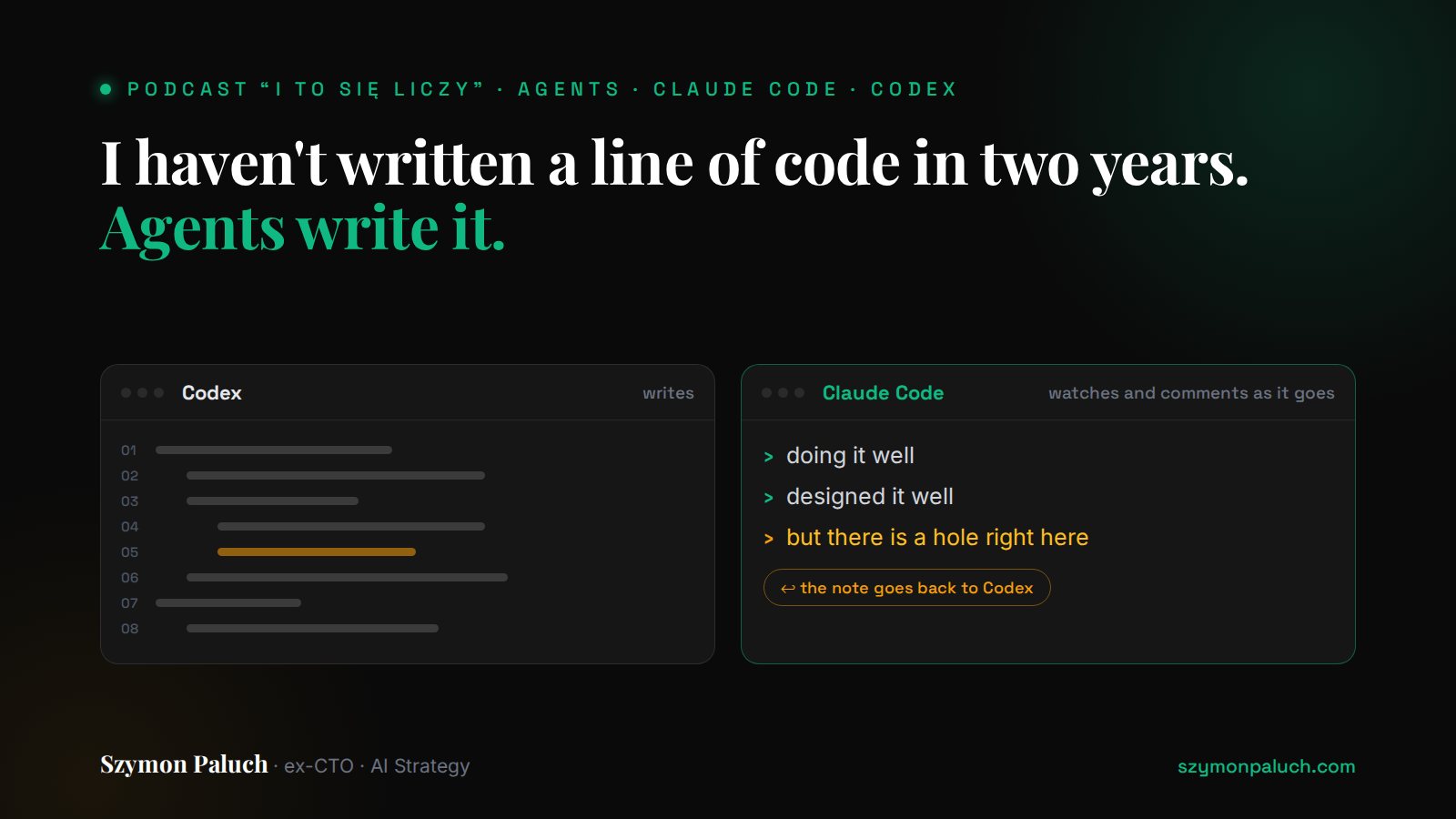
I haven't written a line of code in two years. Agents write it
Tasks left to agents overnight and the morning bin, Claude Code and Codex paired like pair programming, and why not programming is now the expensive part.
A growing collection of patterns, experiment notes and essays on building AI agents. Some entries are finished, others are still evolving.
62% of companies are experimenting with AI agents. Only 11% have them in production.
PATTERNWhat bounded autonomy means and how to set an agent's limits.
PATTERNA checklist that will save you months and thousands.
Tasks left to agents overnight and the morning bin, Claude Code and Codex paired like pair programming, and why not programming is now the expensive part.
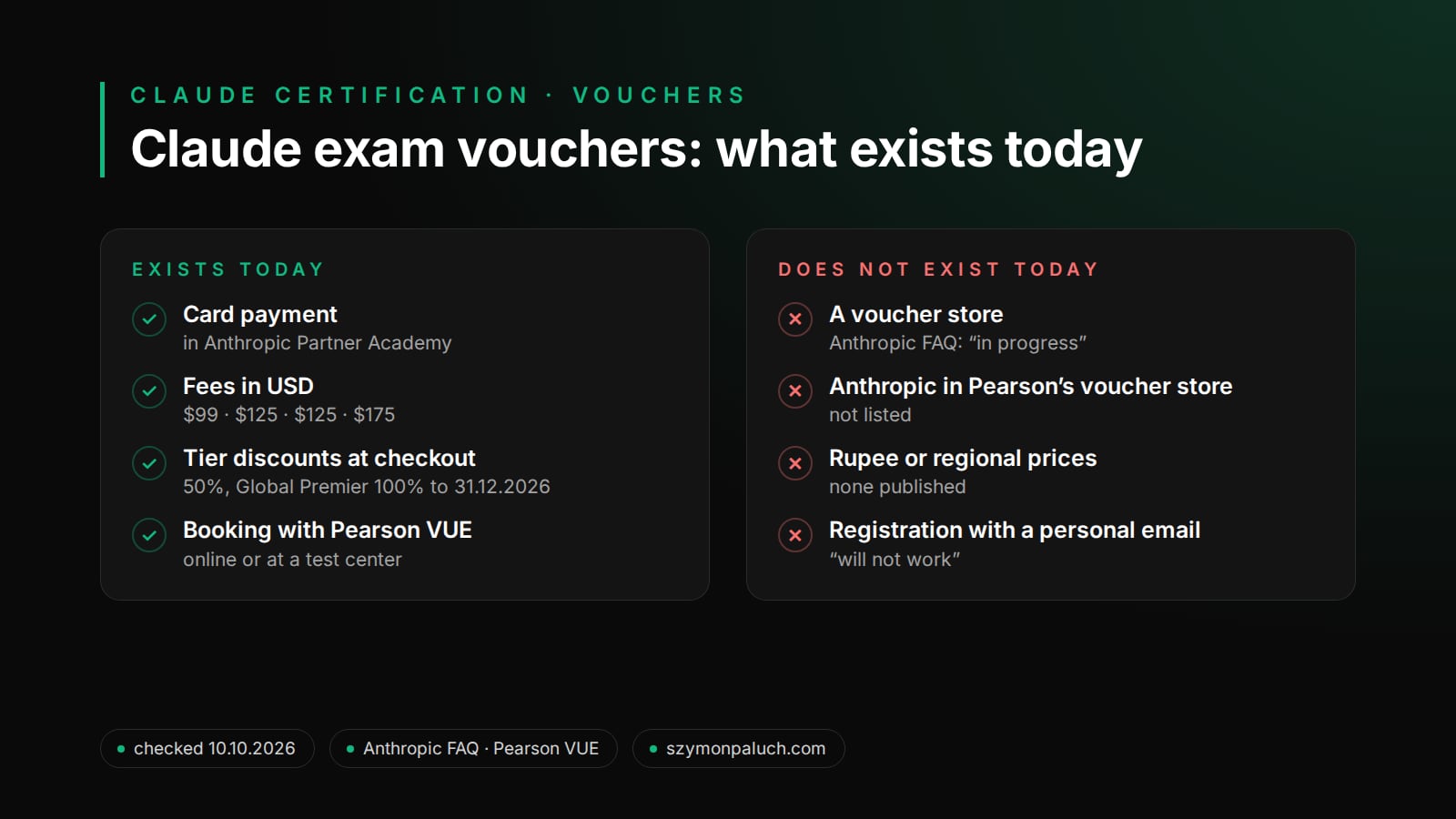
Anthropic sells no Claude exam vouchers. USD fees converted to INR, who can register, the employer route and 7 checks before you pay anyone.
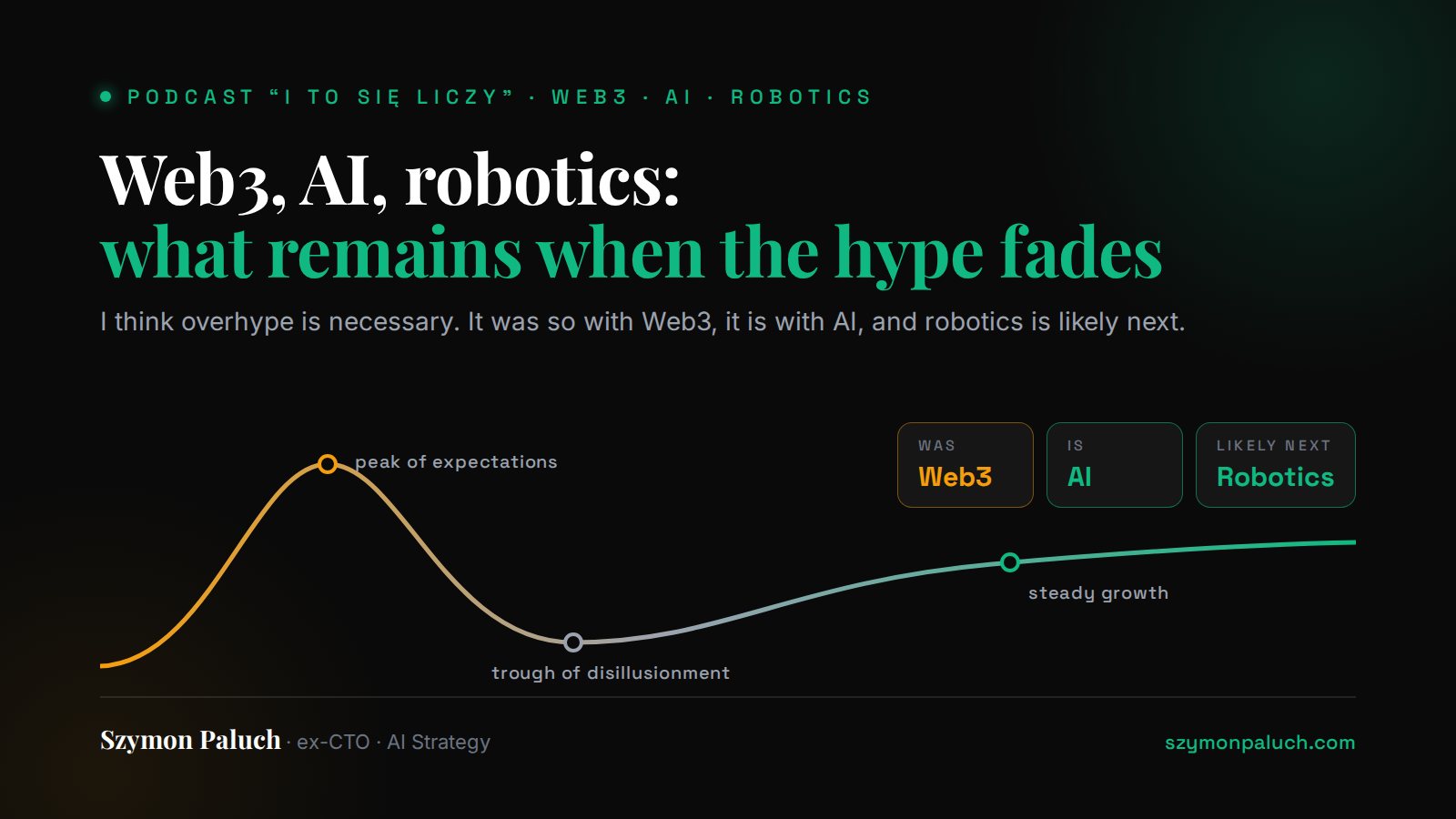
What survived the Web3 hype in payments, why an AI agent cannot open a bank account, and why robots are trained in one data center today.
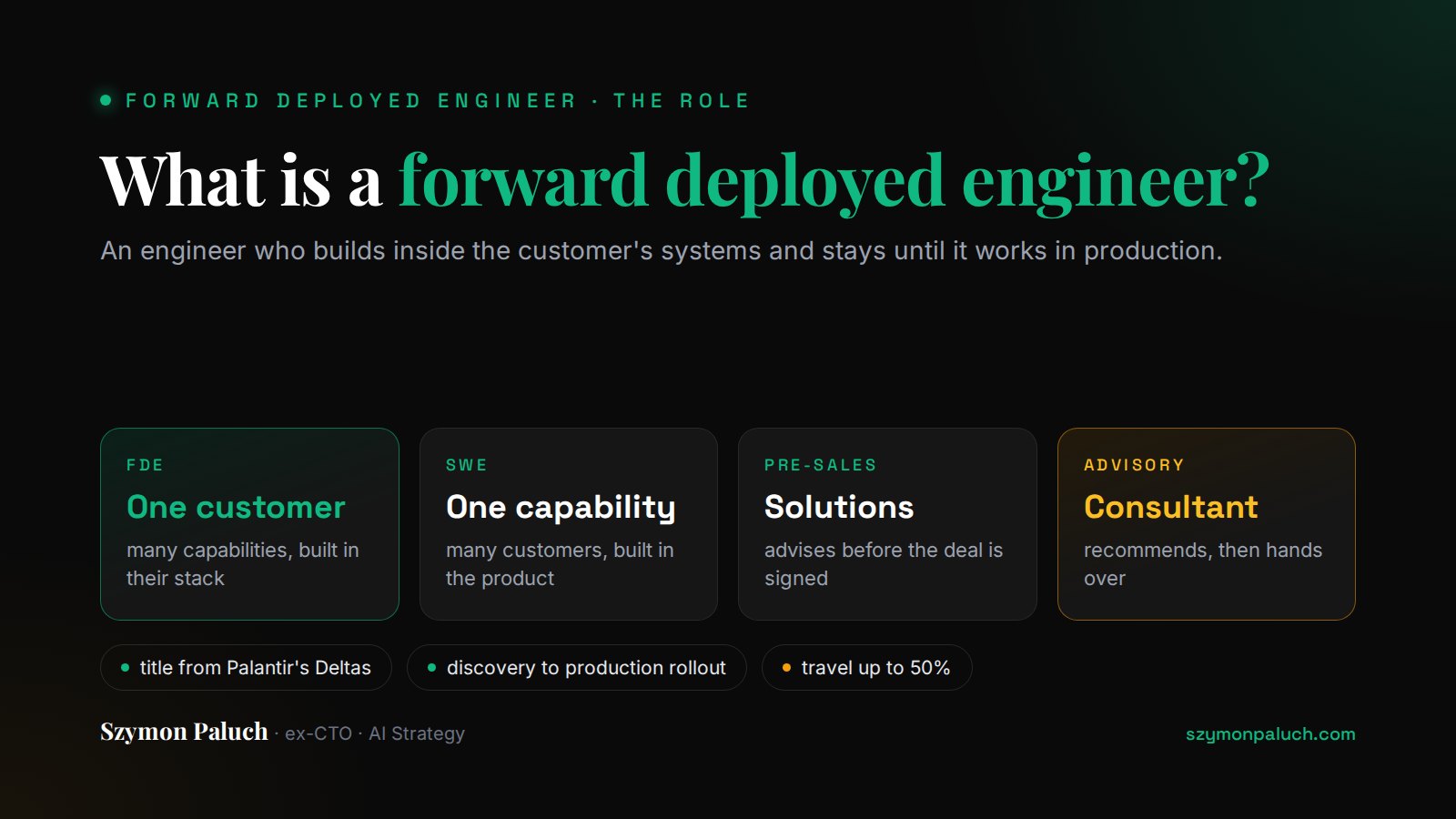
What a forward deployed engineer (FDE) does, how the role differs from software and solutions engineers, posted salary ranges and who hires FDEs in 2026.
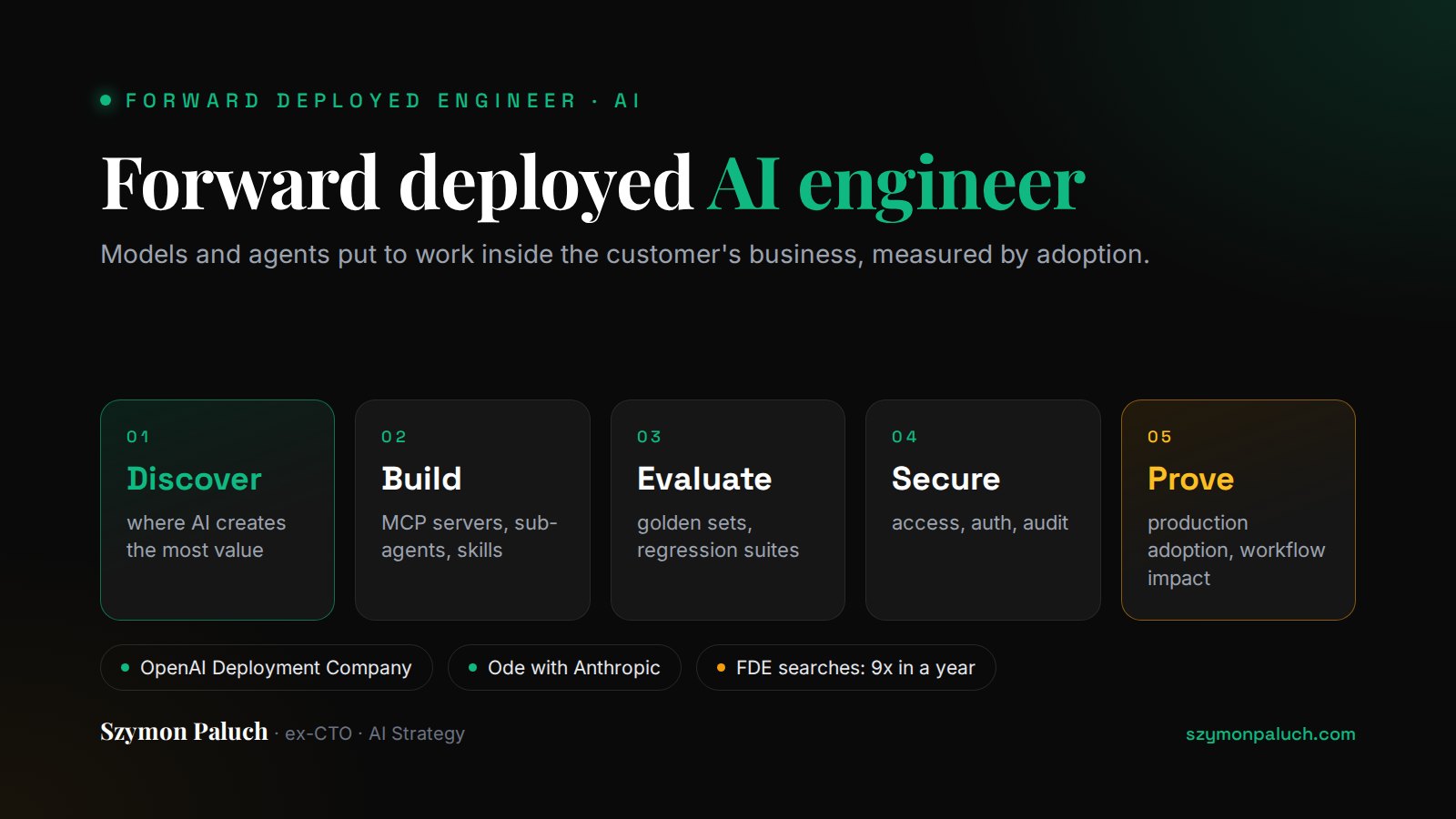
What a forward deployed AI engineer does on LLM and agent projects, how it relates to applied AI engineer, and who hires: OpenAI, Anthropic, Google.
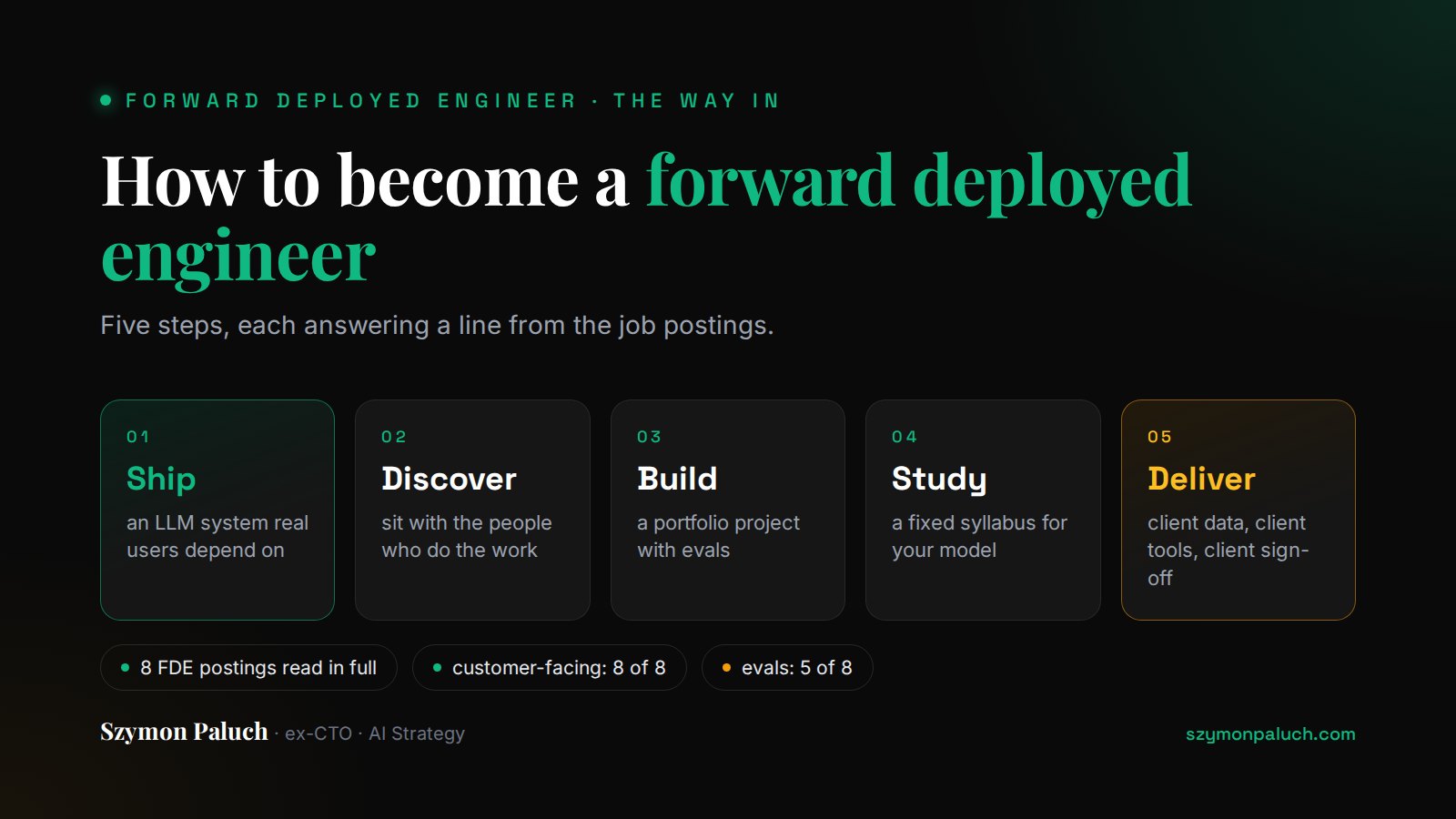
How to become a forward deployed engineer: the skills eight live FDE postings ask for, five steps to the job, and whether you need a course or certification.
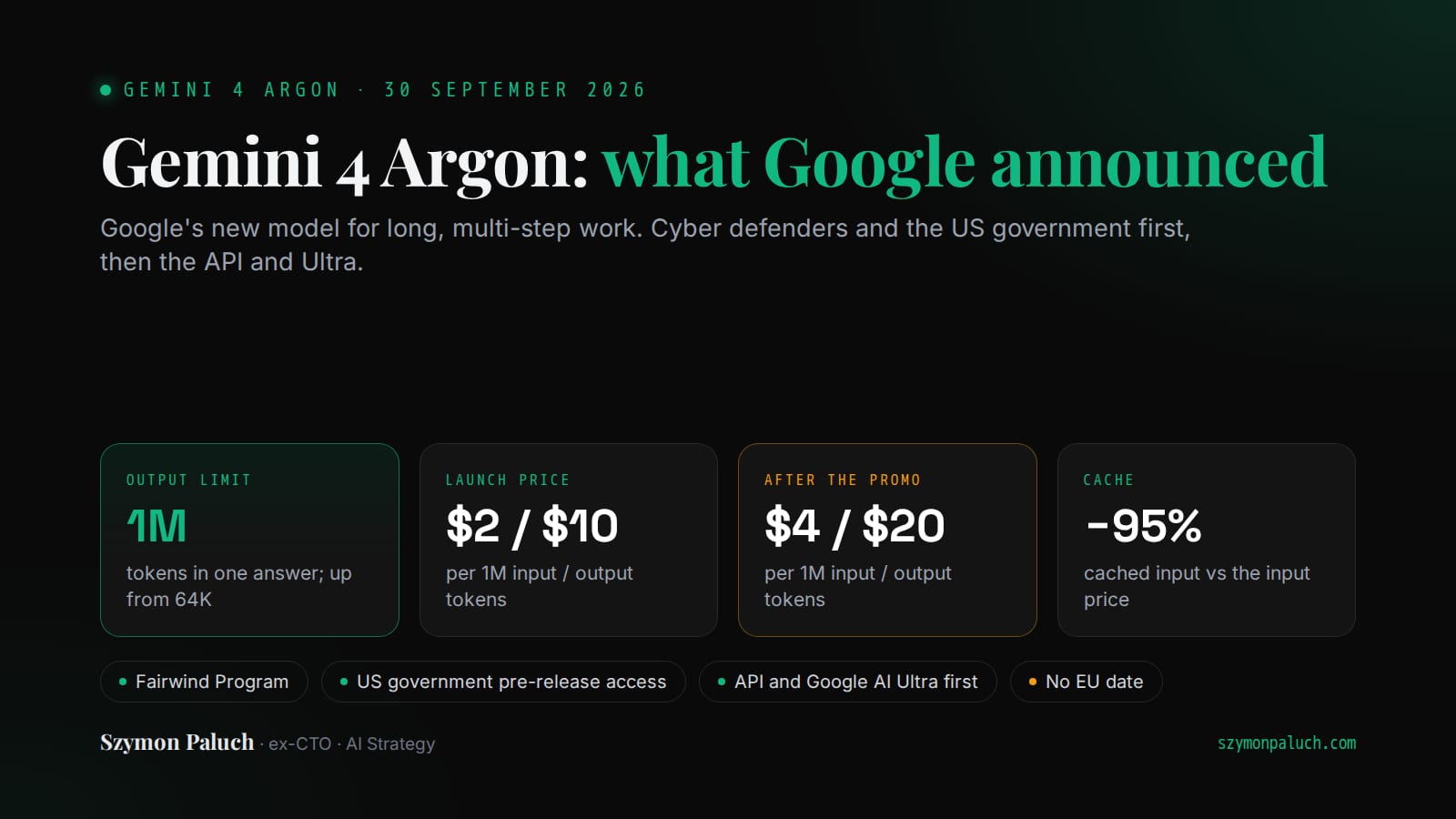
The 1M-token output limit, benchmarks, pricing, Google's own case studies and the rollout order. Timeline and sources.
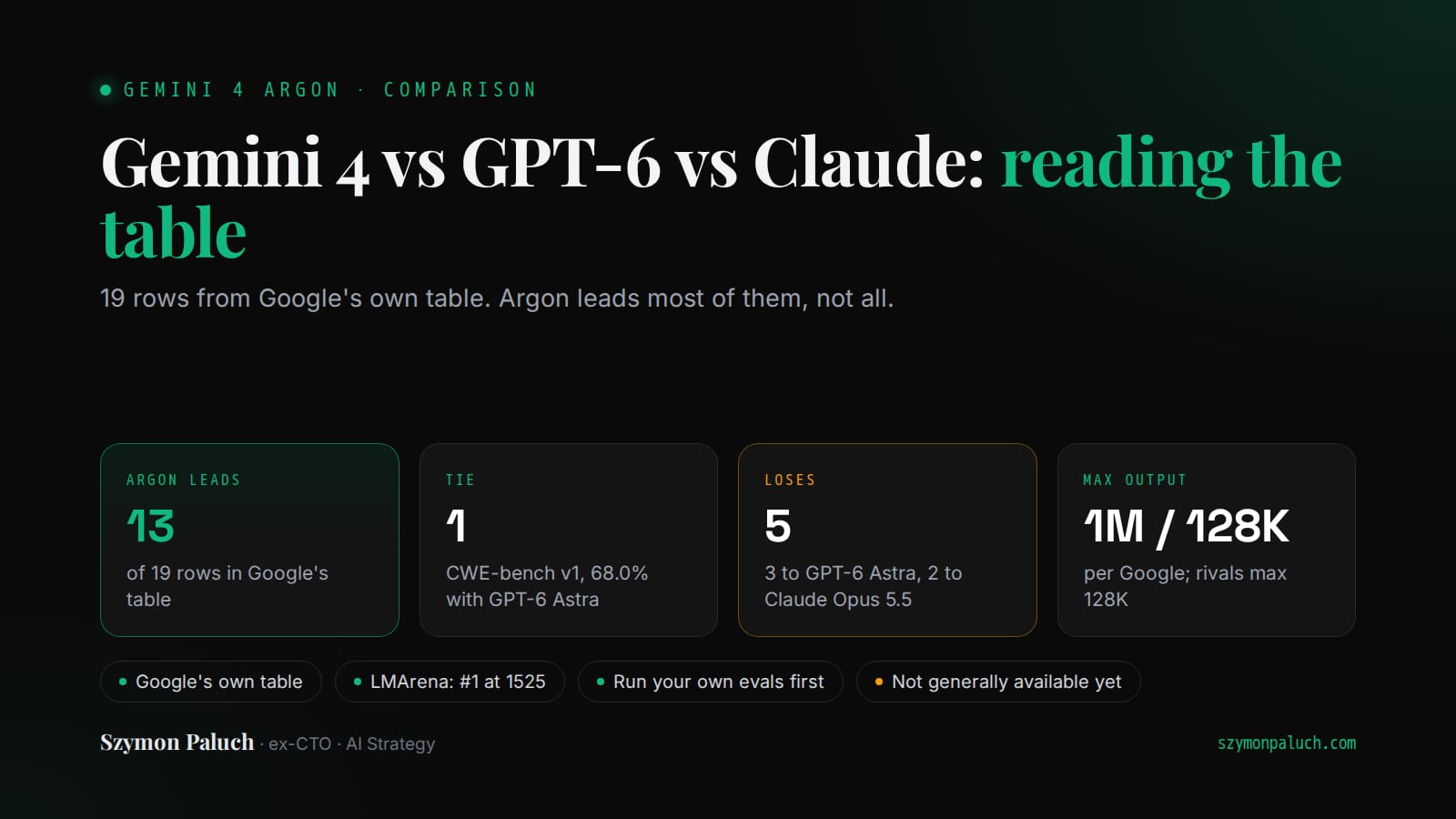
Google's table row by row: where Argon wins, where it loses, who built the benchmarks and how to pick a model for a client.
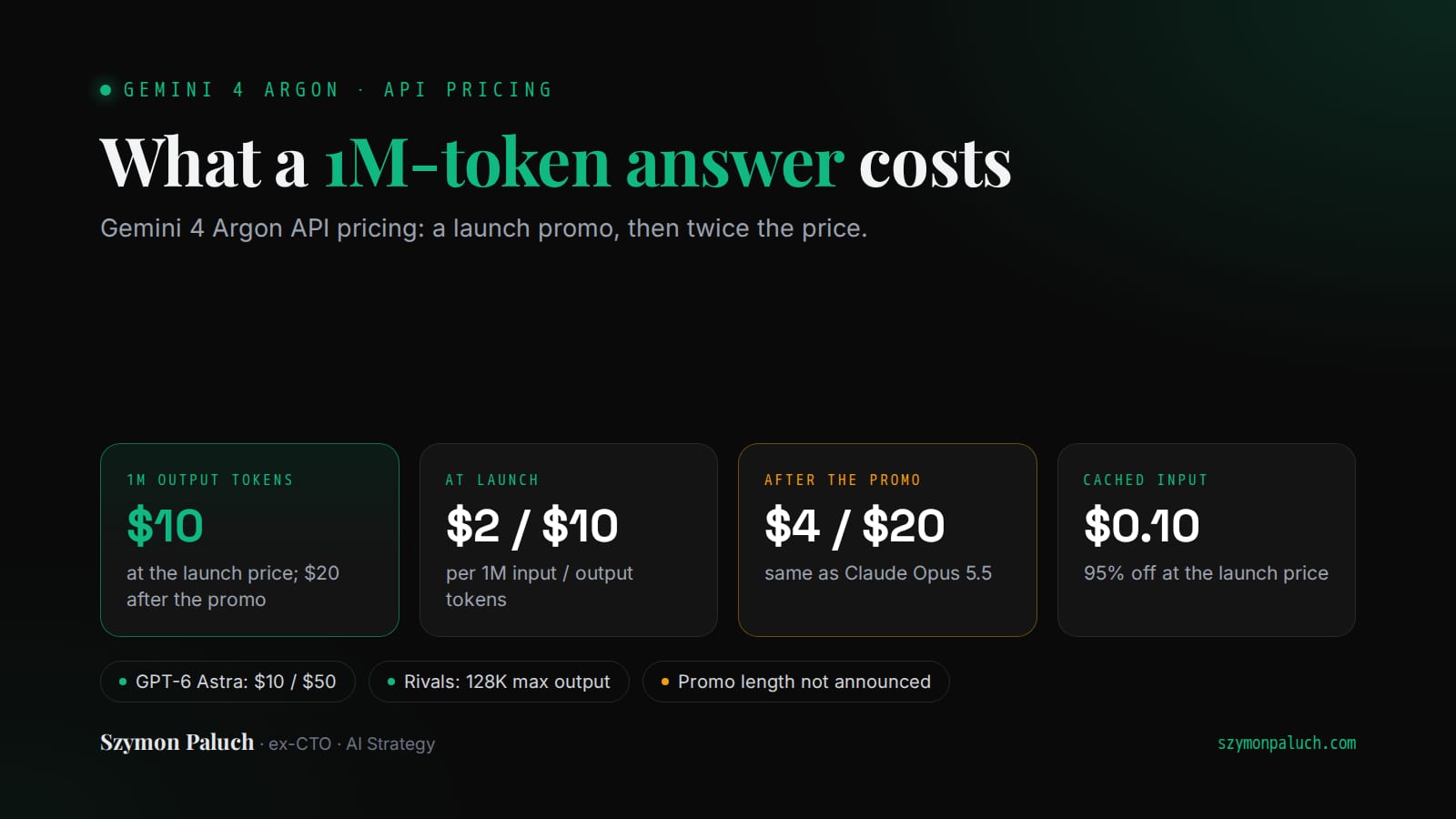
What a million-token answer costs, when caching pays and why a budget should start from the post-promo price.
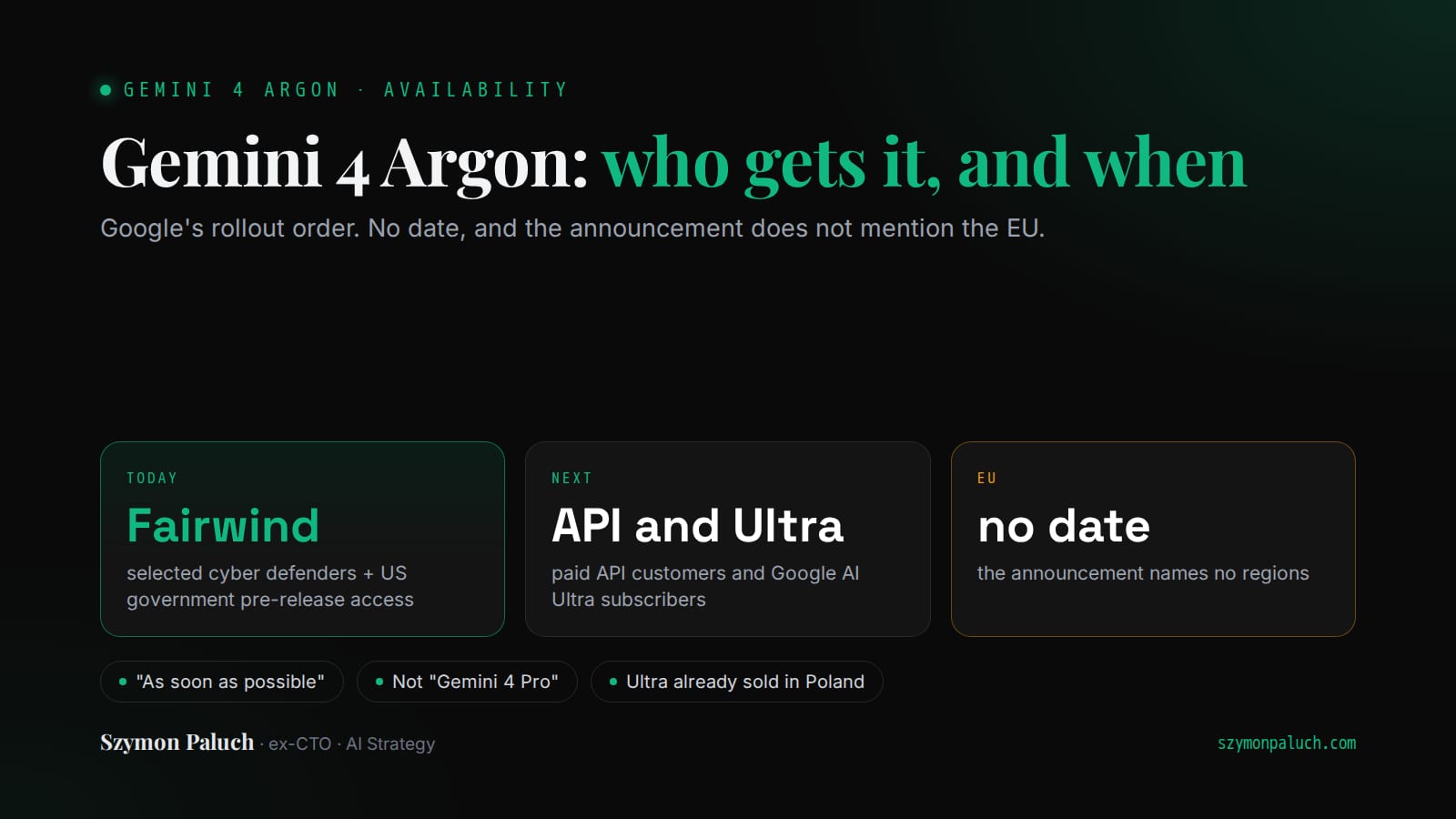
The Fairwind Program, US government pre-release access, then the paid API and Google AI Ultra. What is known about the EU, and whether it is Gemini 4 Pro.
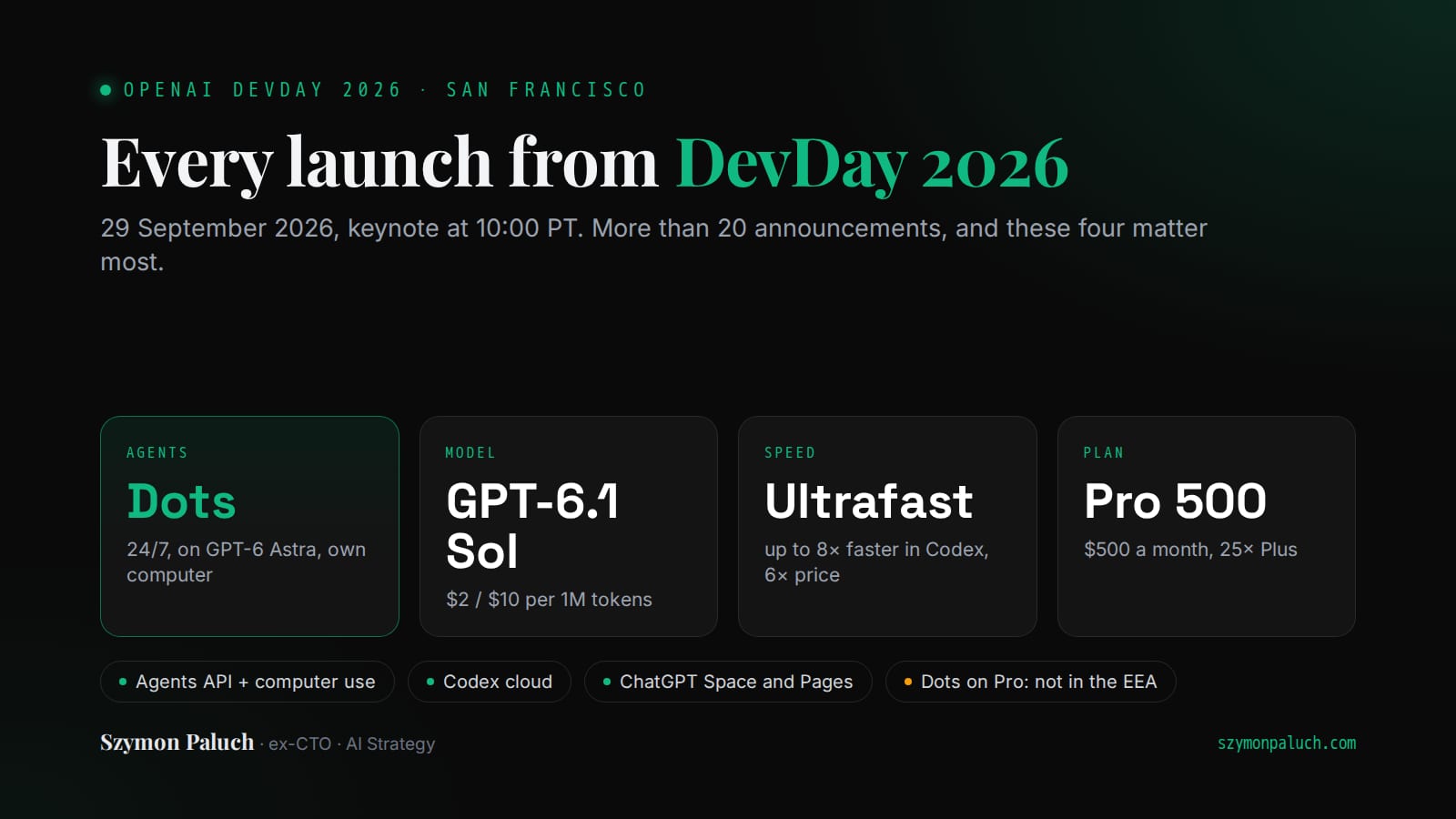
Dots, GPT-6.1 Sol, Ultrafast, Pro 500, the Agents API and Codex cloud. The keynote minute by minute and what works in the EU.
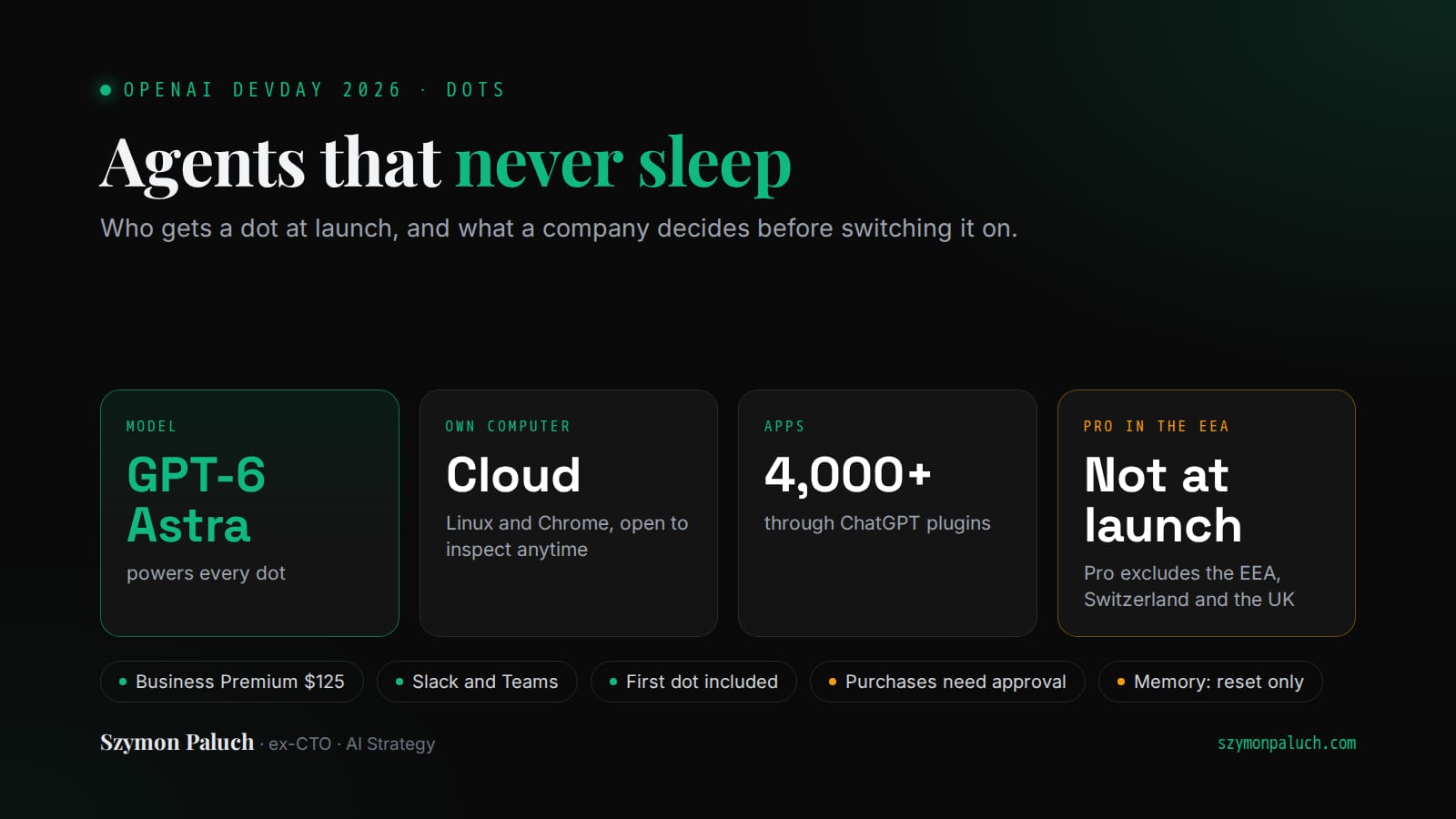
Who can get a dot, what it costs, and what a company has to decide before an agent starts working around the clock.
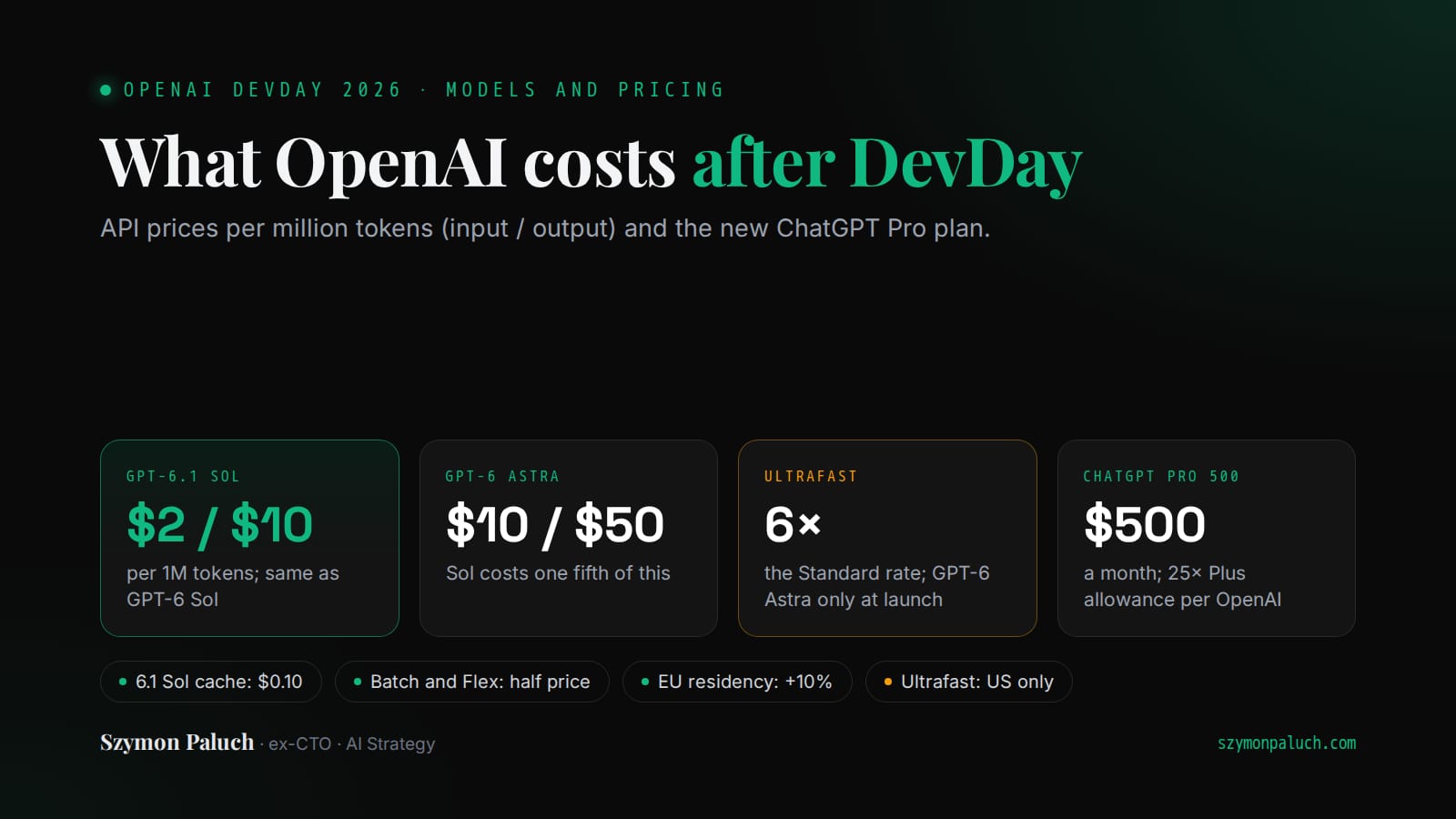
Against GPT-6 Sol, only the cache got cheaper. Ultrafast costs six times more and skips EU residency. The math is per task.
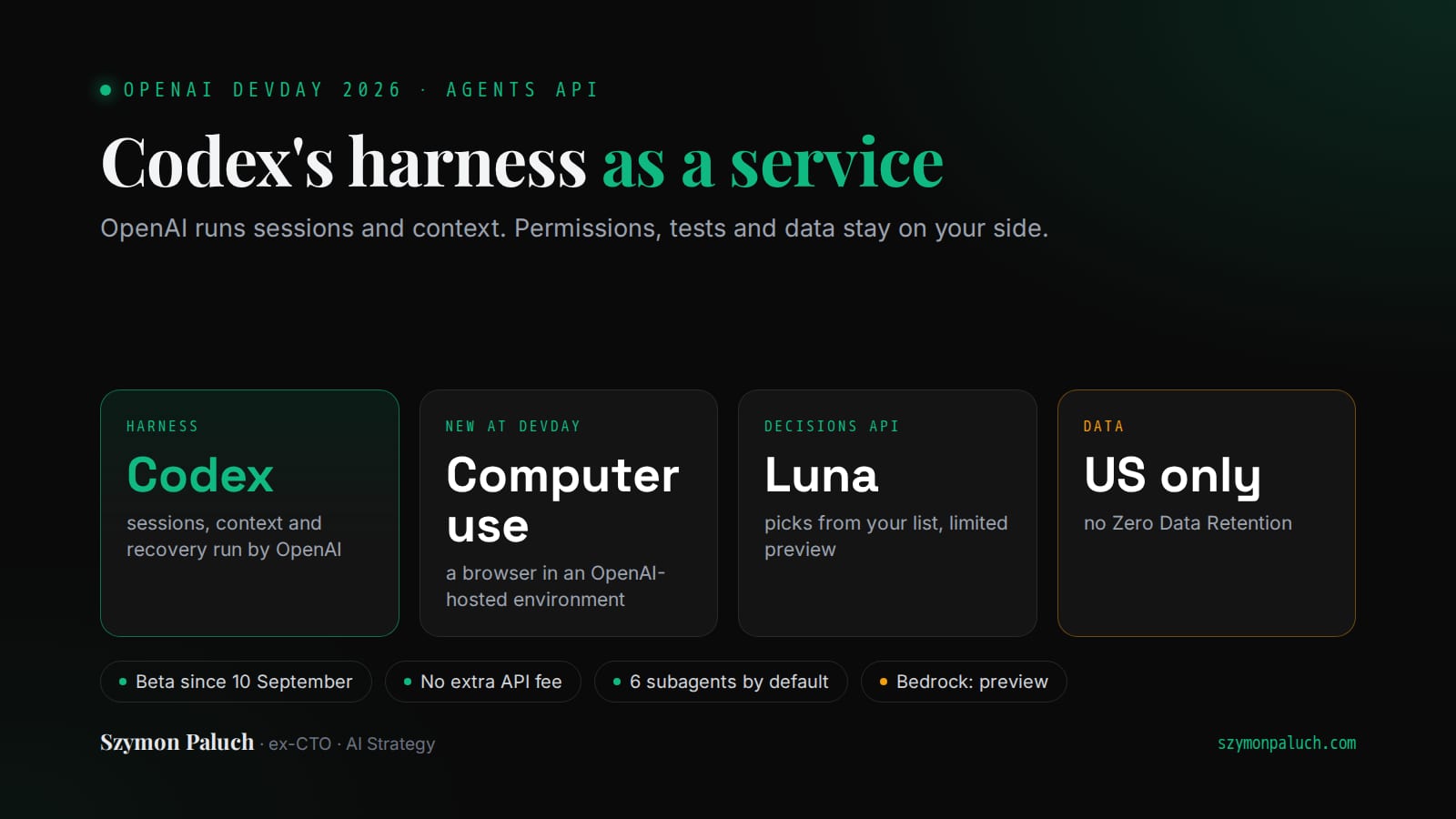
What the harness does for you, what stays your job, and why US-only data can end the conversation for an EU company.
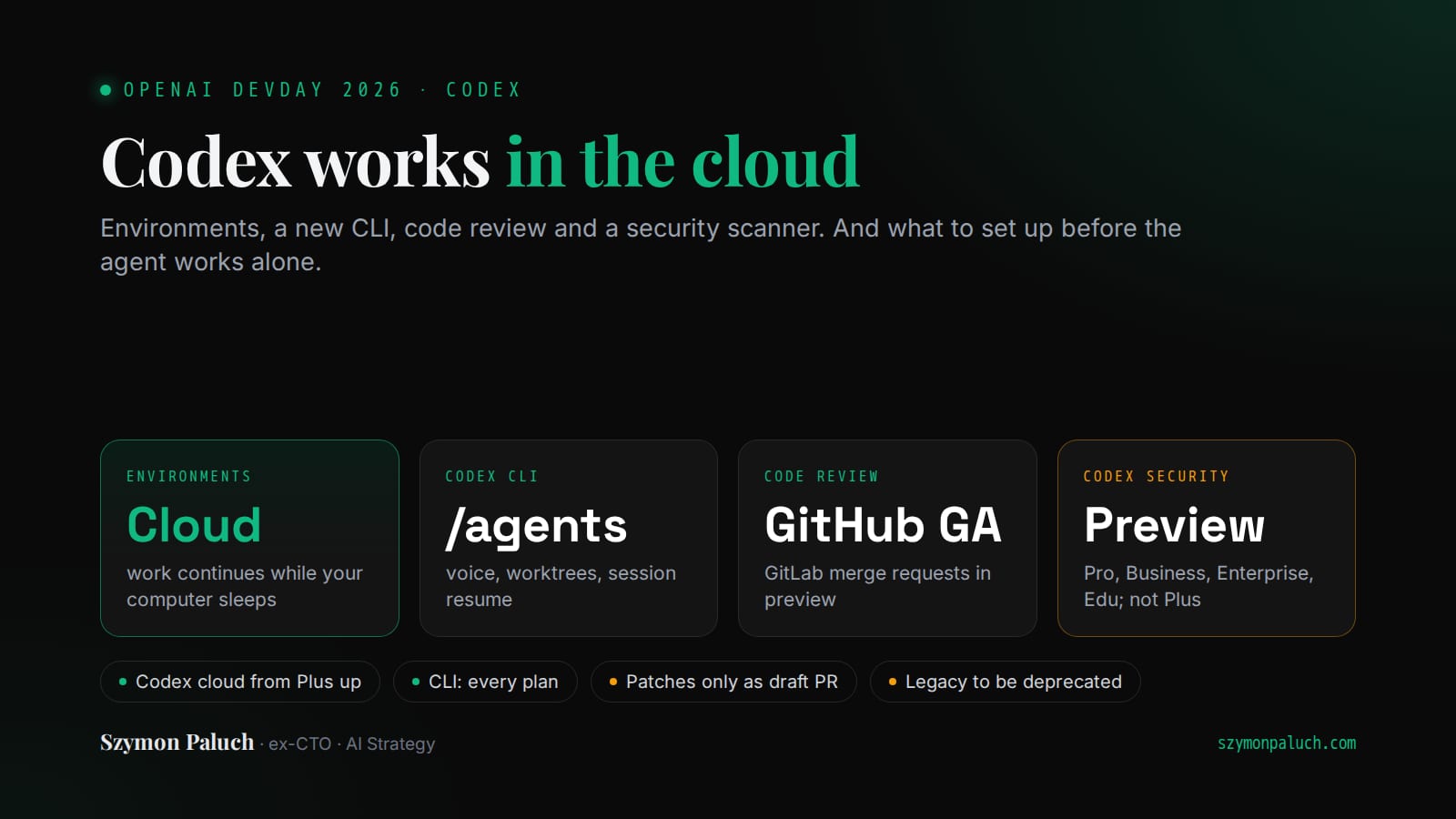
What changes when a coding agent runs in the cloud, what is new in the CLI and code review, and what to set up before it works unattended.
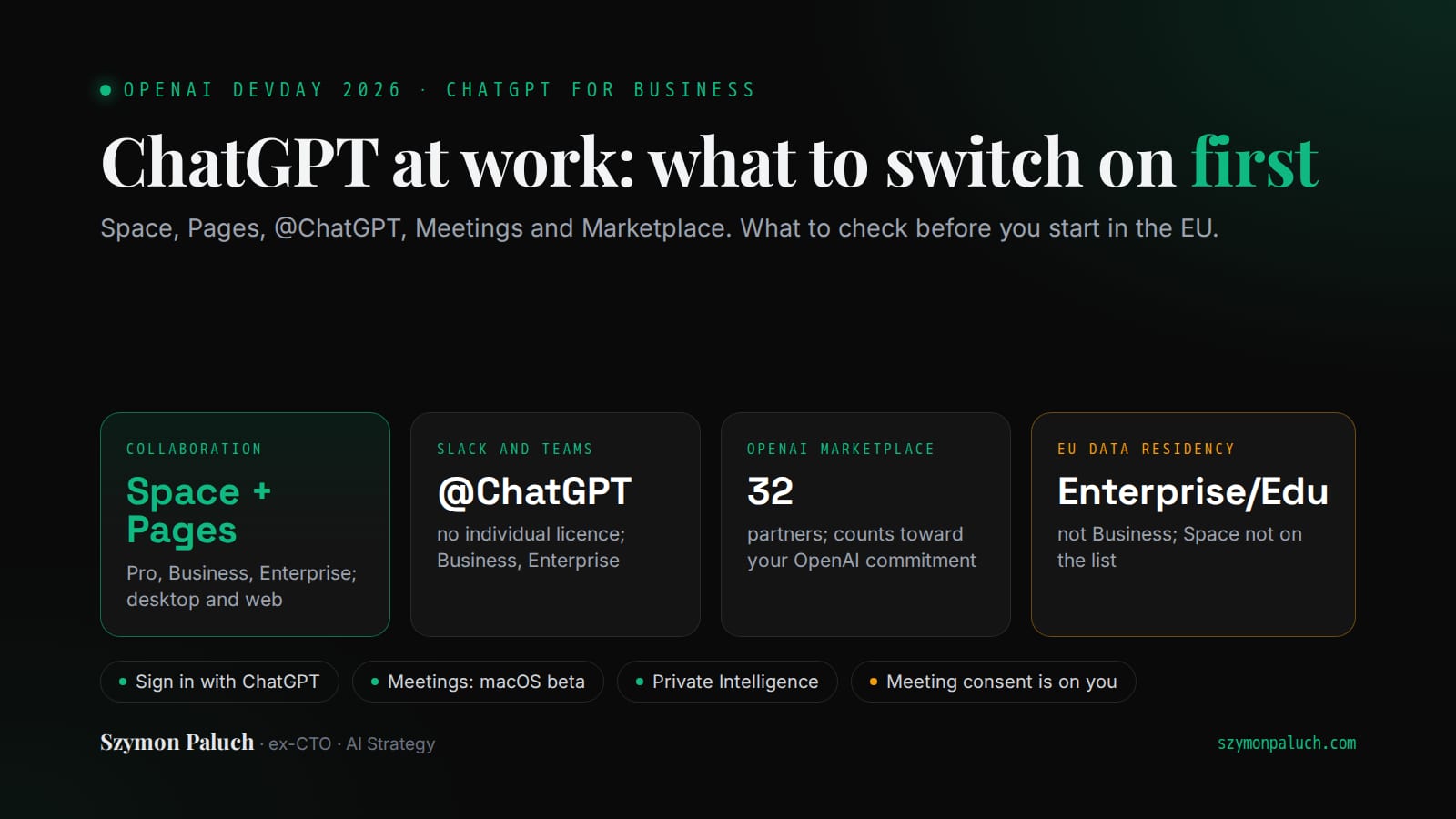
What to switch on first at work, what to check before you start, and what the new ChatGPT features do not give you under GDPR.
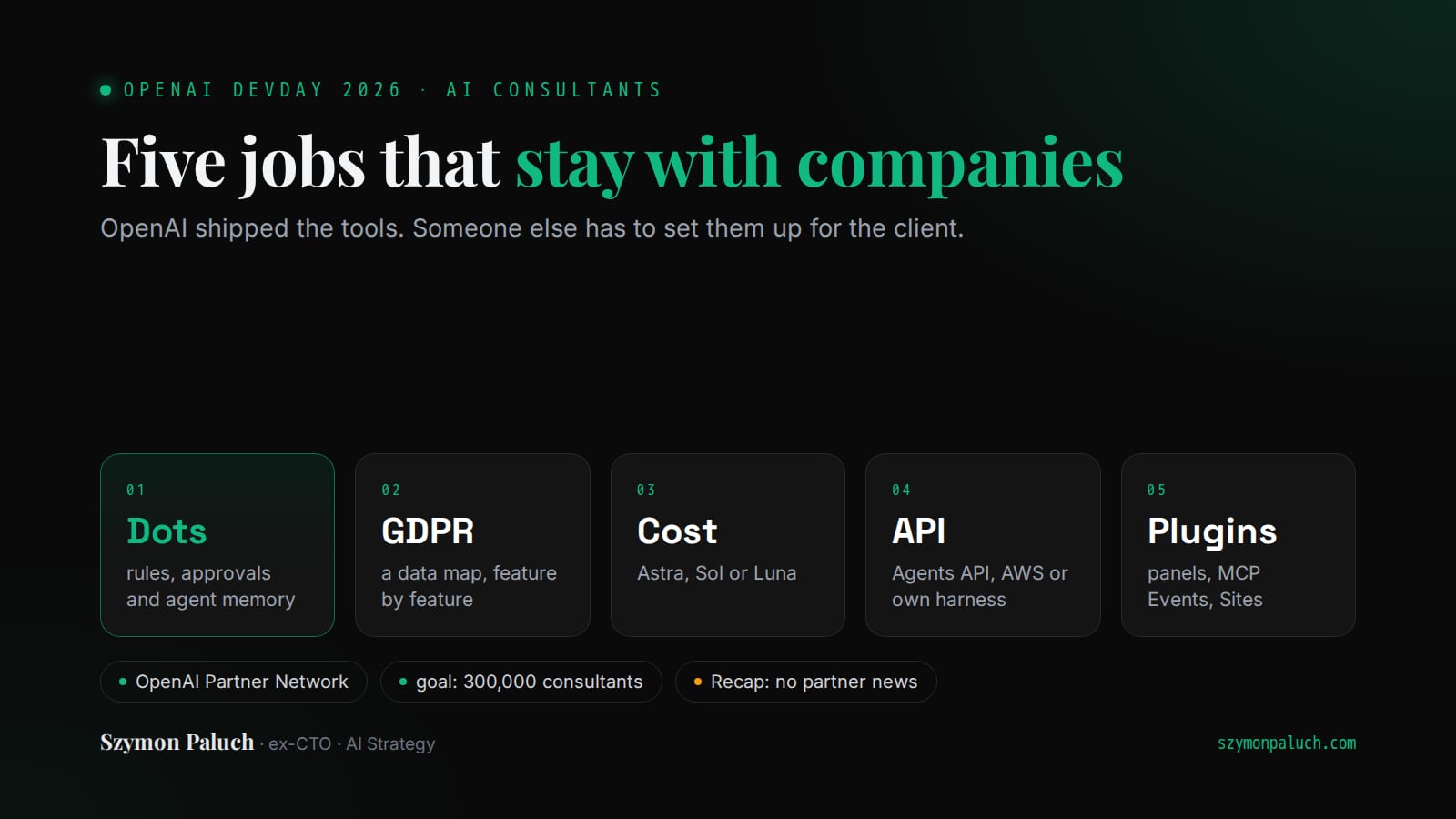
Five client jobs OpenAI's launches leave open, what happened to the OpenAI Partner Network, and which skills the work needs.
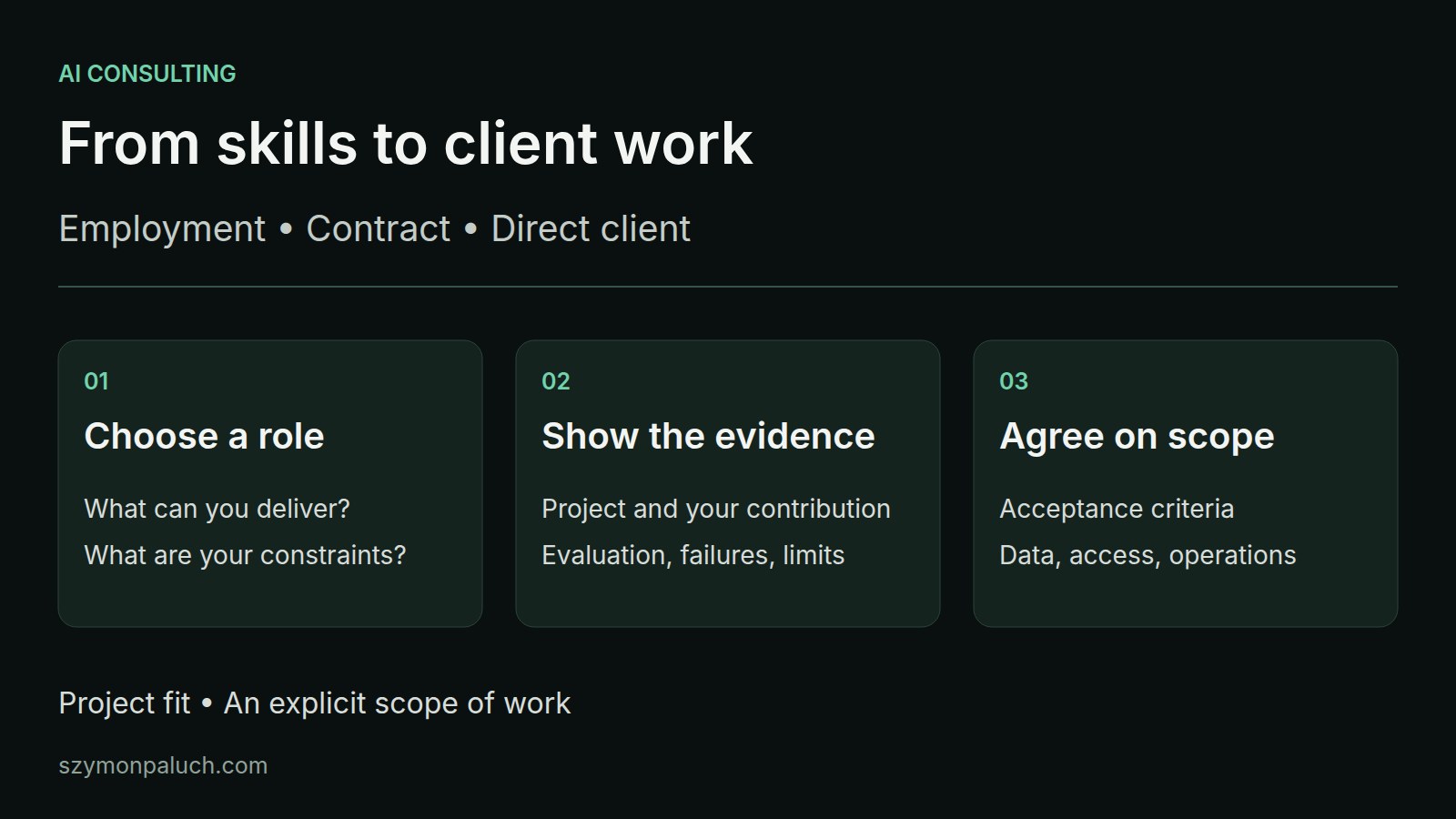
Where to find AI consulting jobs, contracts and freelance projects. Prepare a portfolio, respond to a brief and agree on the scope of a first pilot.
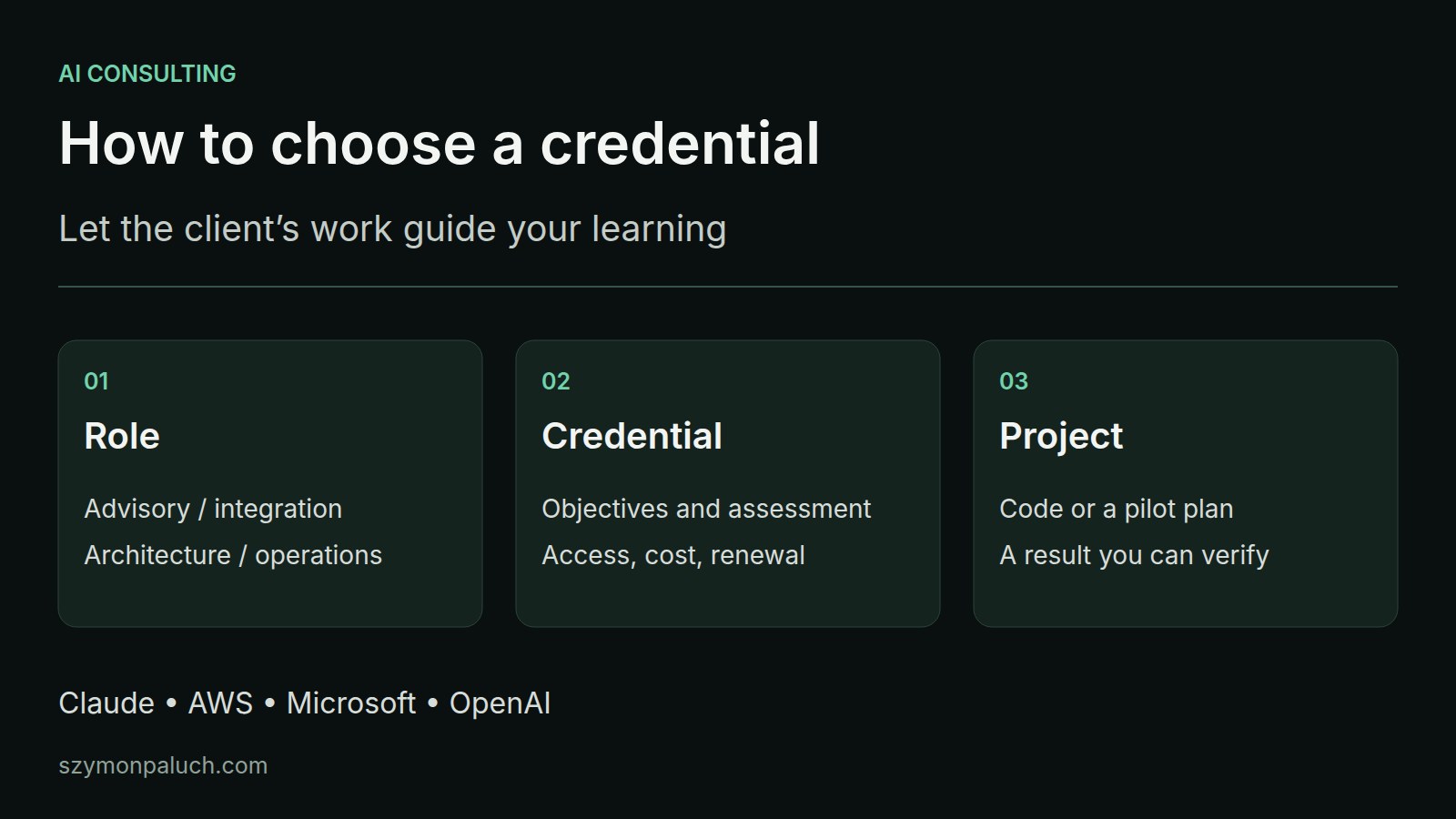
Compare Claude, AWS and Microsoft certifications and OpenAI learning options. Scope, access, costs and a project that demonstrates your AI consulting skills.
Once a week: one agent architecture pattern, one case study from production and the AI news that changes how you build.
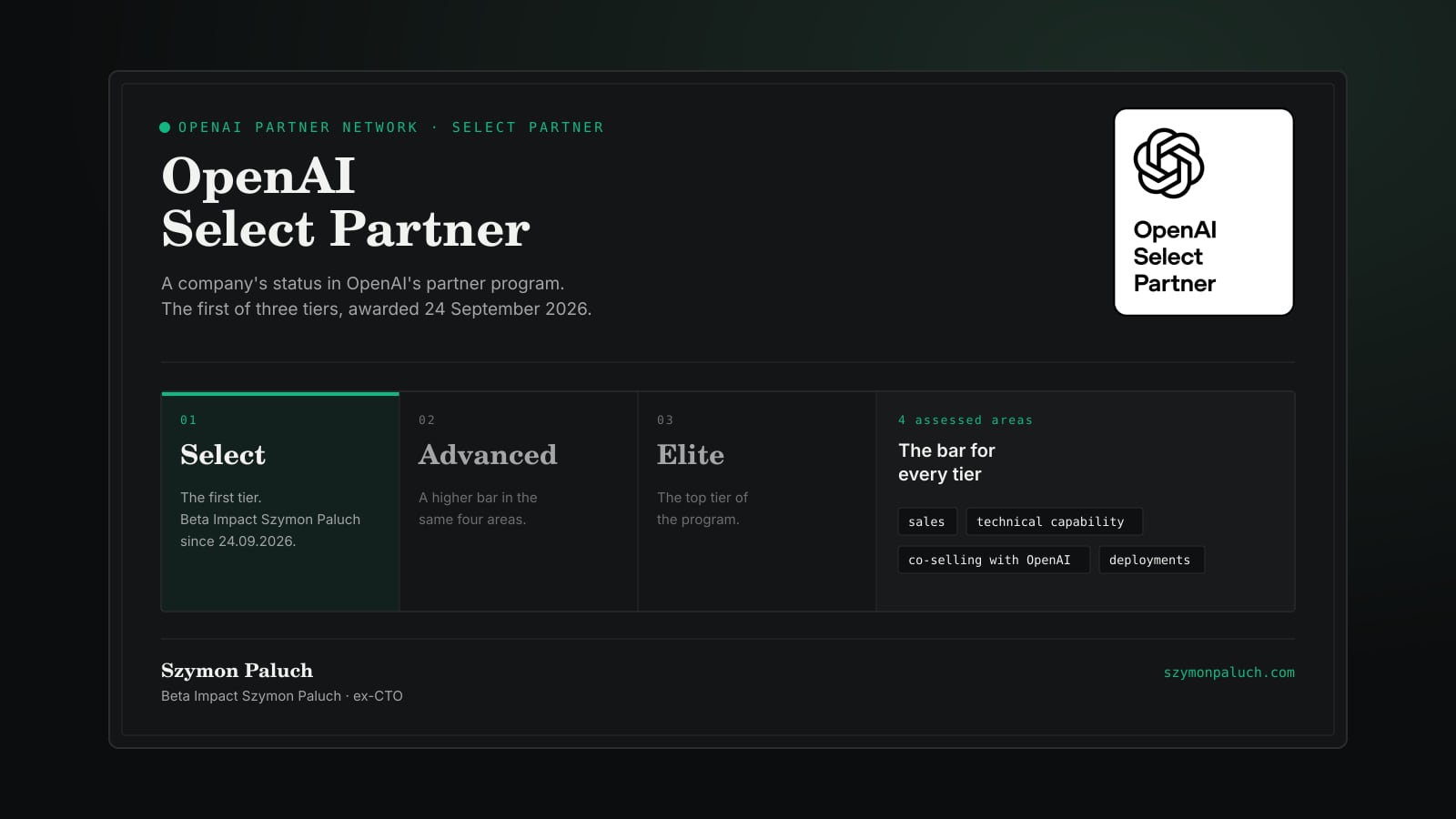
A company tier in the OpenAI Partner Network: the three tiers, the road to the status and how it differs from a certificate.
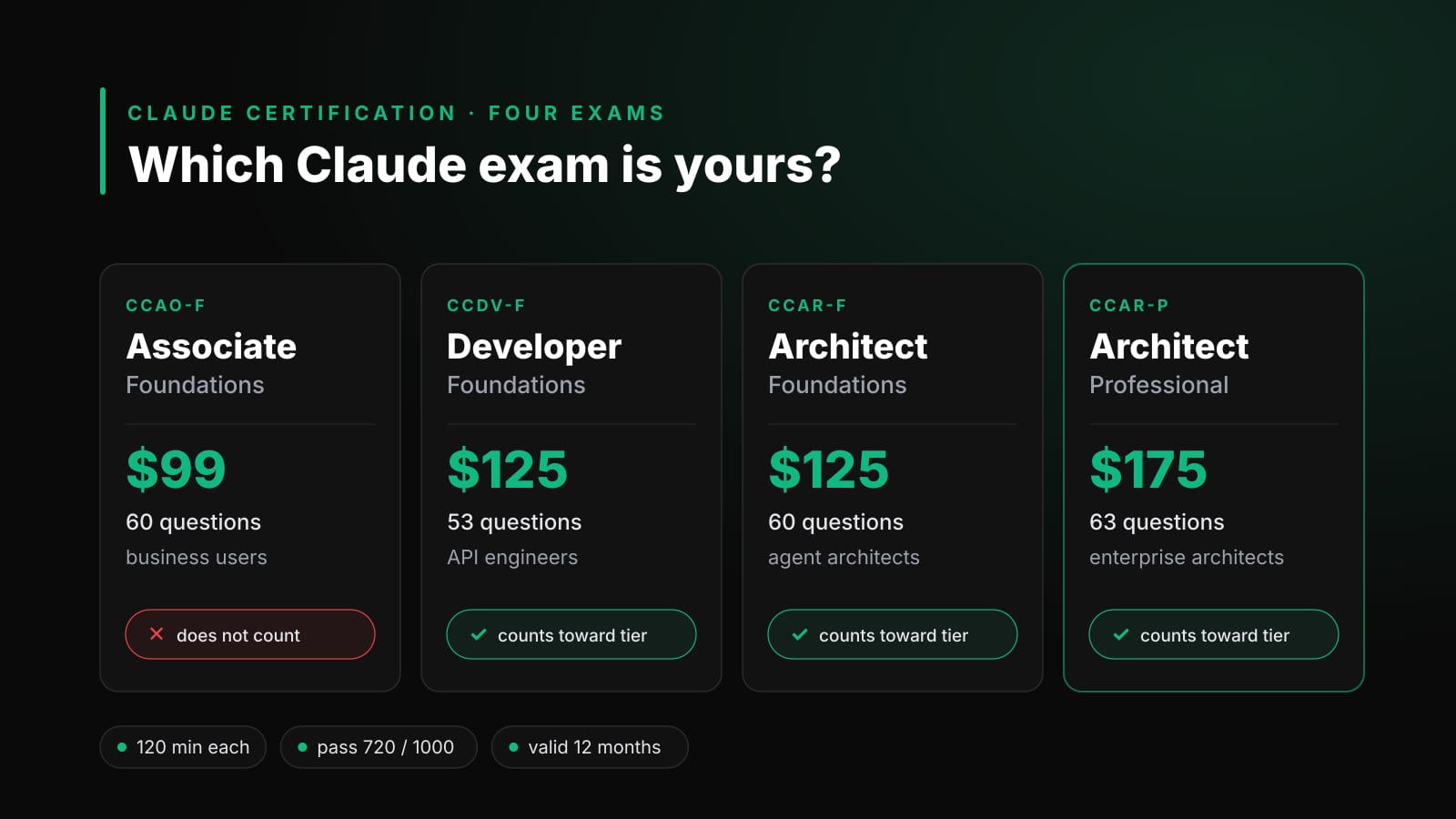
Compare the four Claude certifications: Associate, Developer and Architect Foundations or Professional. Exam scope, fees, access and choosing by role.
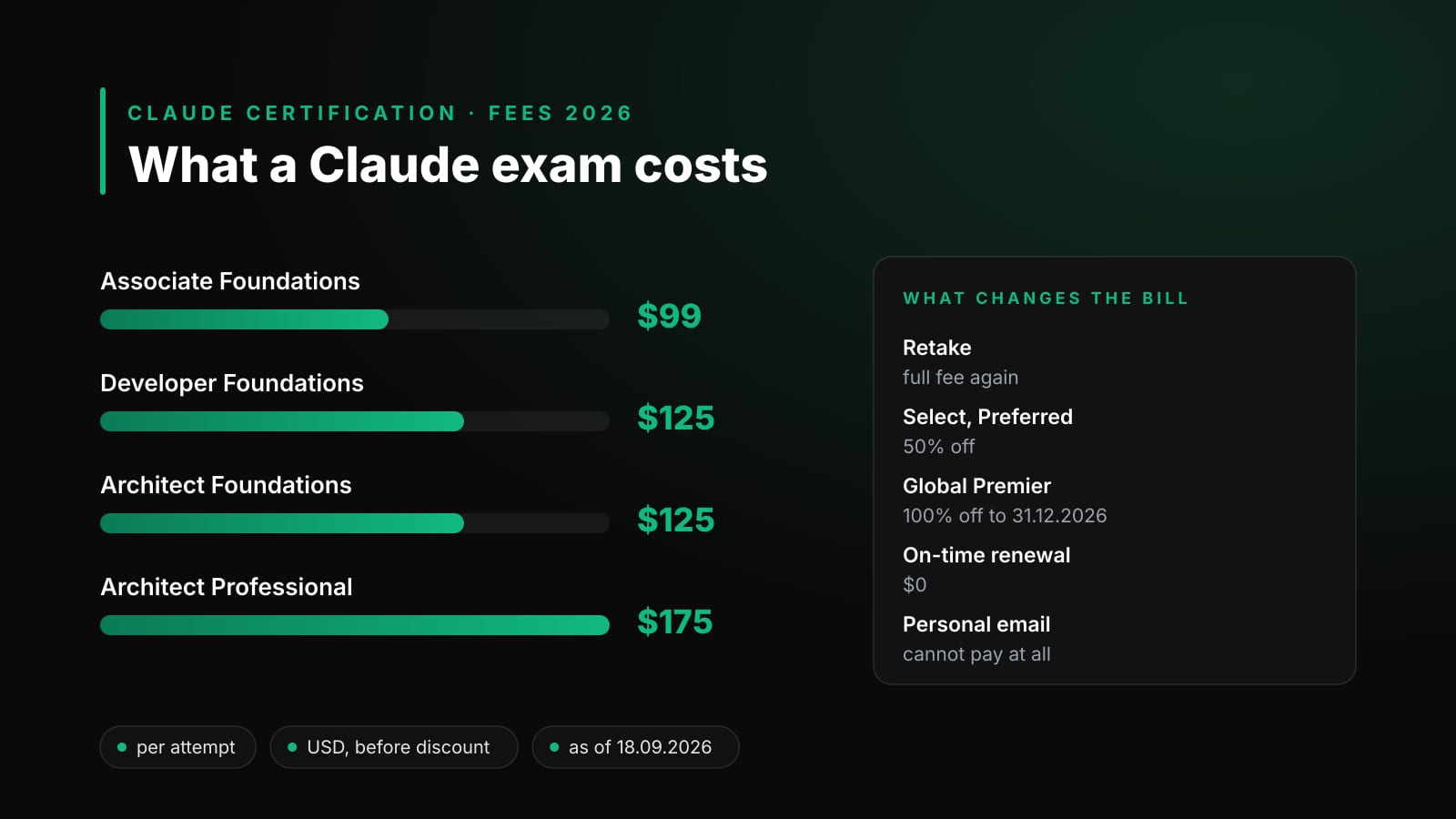
What each Claude exam costs, whether Claude Certified Architect is free, partner discounts, retakes, renewal and a first-year budget. Checked September 2026.
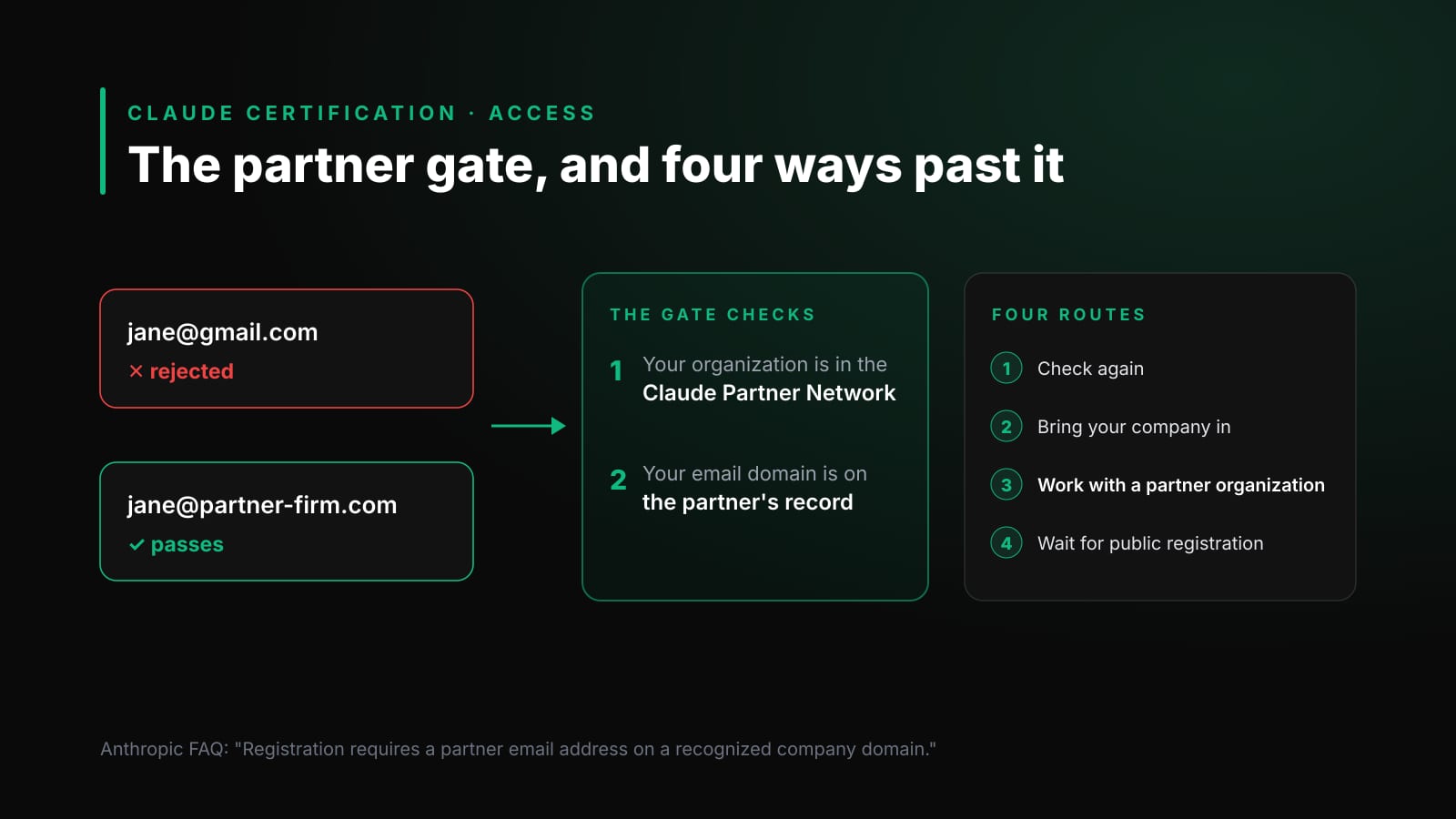
Partner-account and email-domain requirements, plus your options when your company is outside Claude Partner Network.
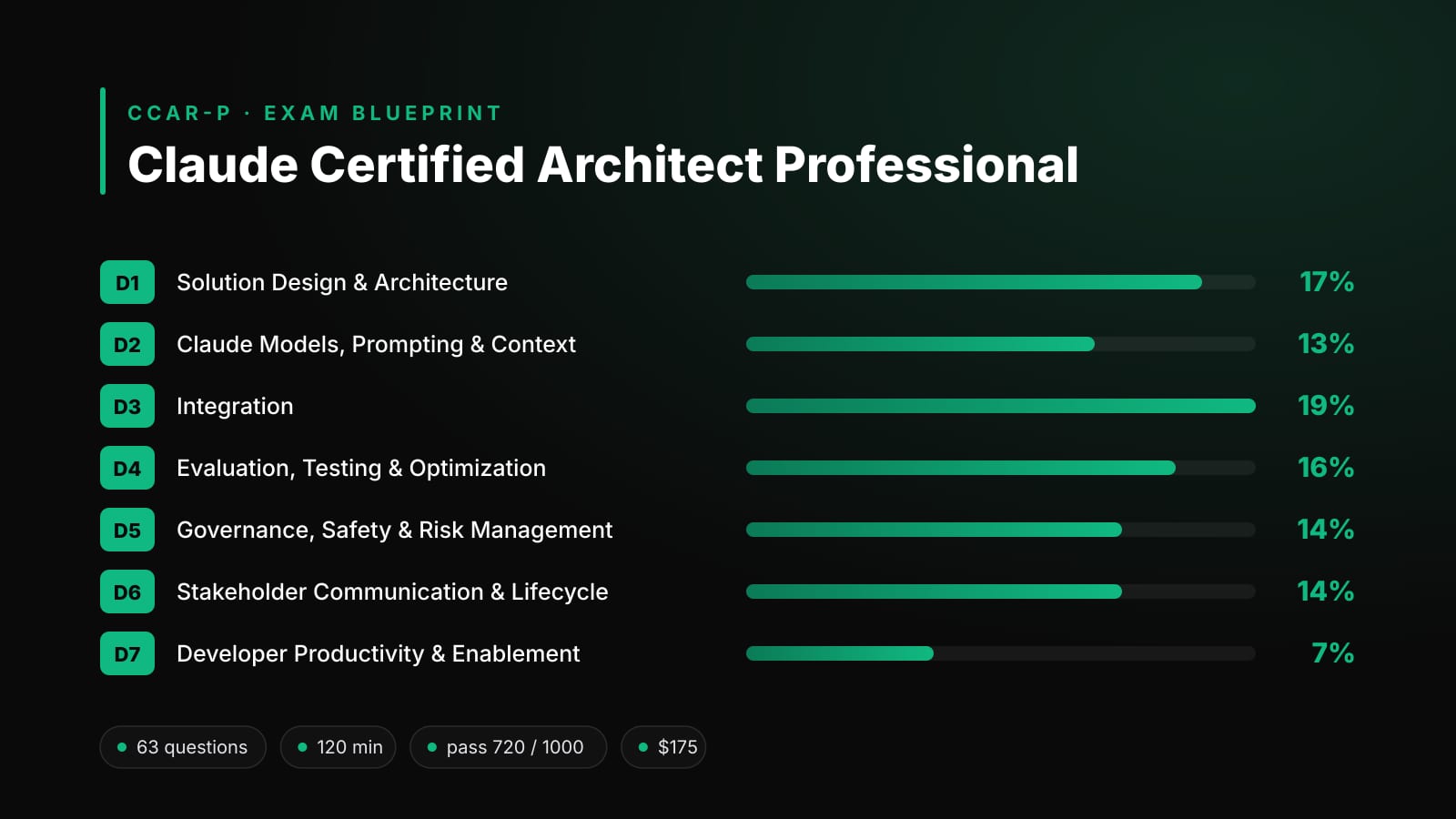
CCAR-P exam guide: 63 questions, seven domains, the $175 fee and differences from Foundations. A study plan and three original questions with explanations.
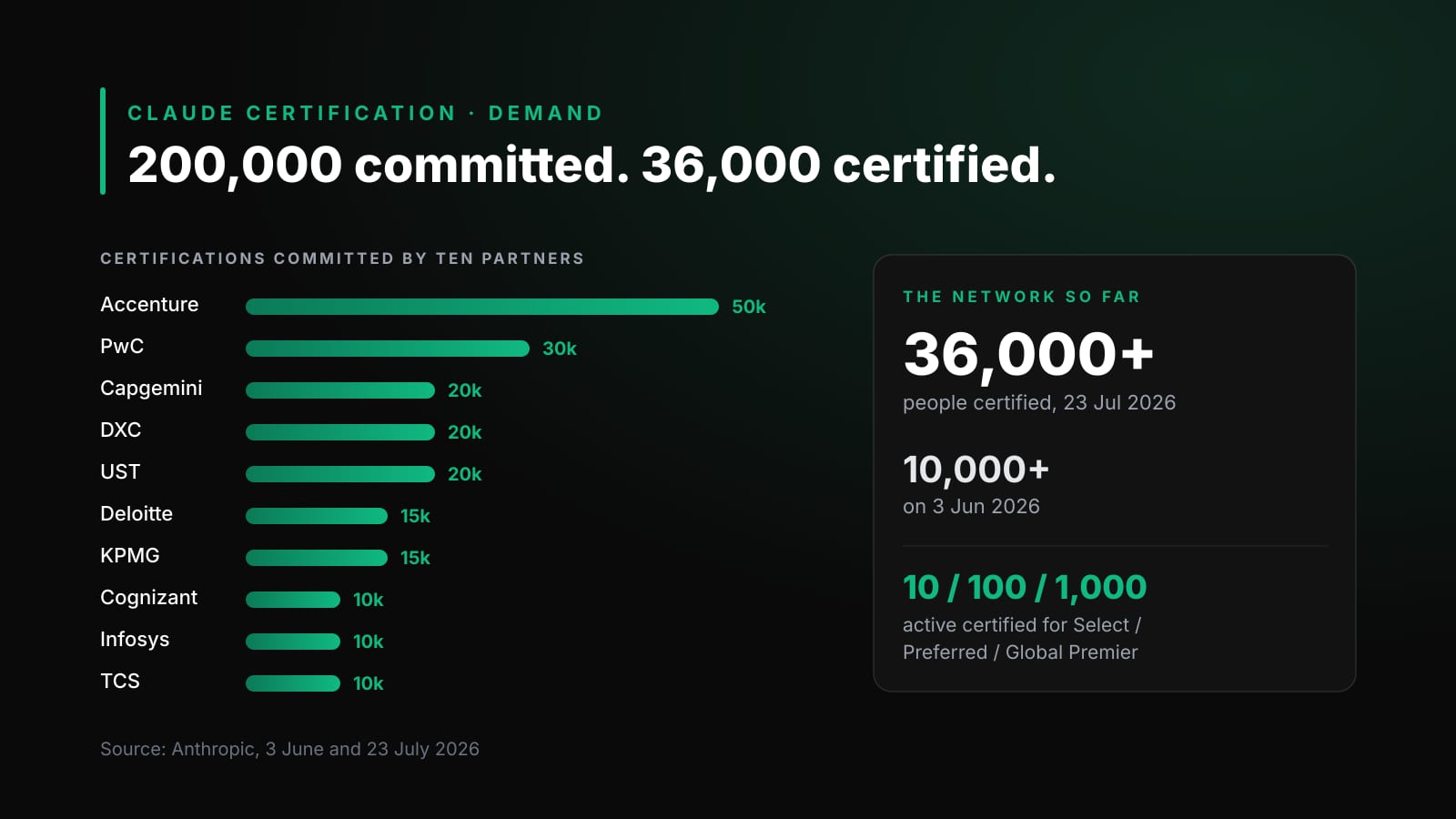
Who hires Claude certified architects and why: partner tier thresholds, 200,000 certifications committed by ten firms, and what the certificate changes.
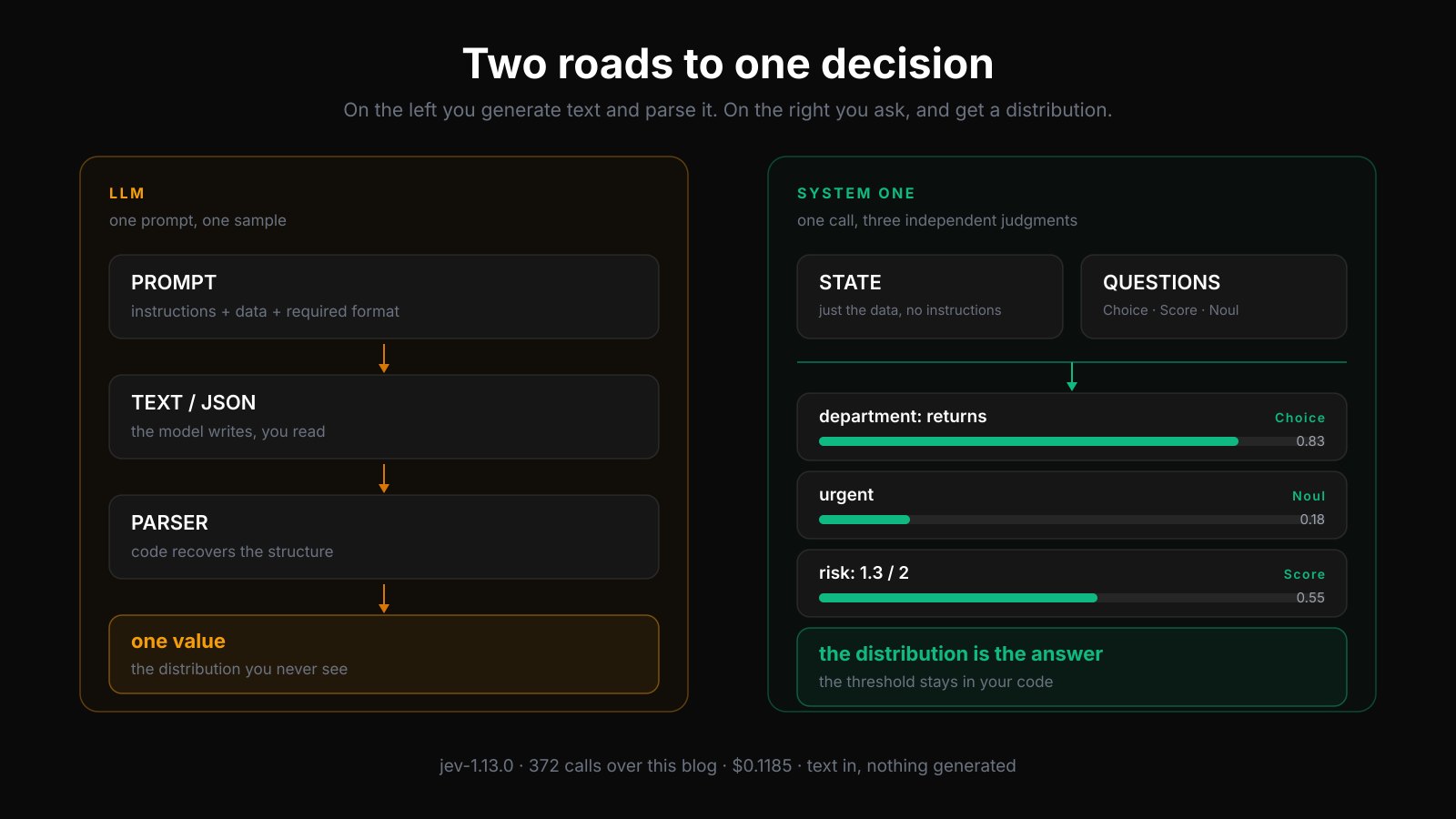
Jev answers with a probability distribution rather than prose. 372 calls over this blog: what it measured, and what it loses to a boring classifier.
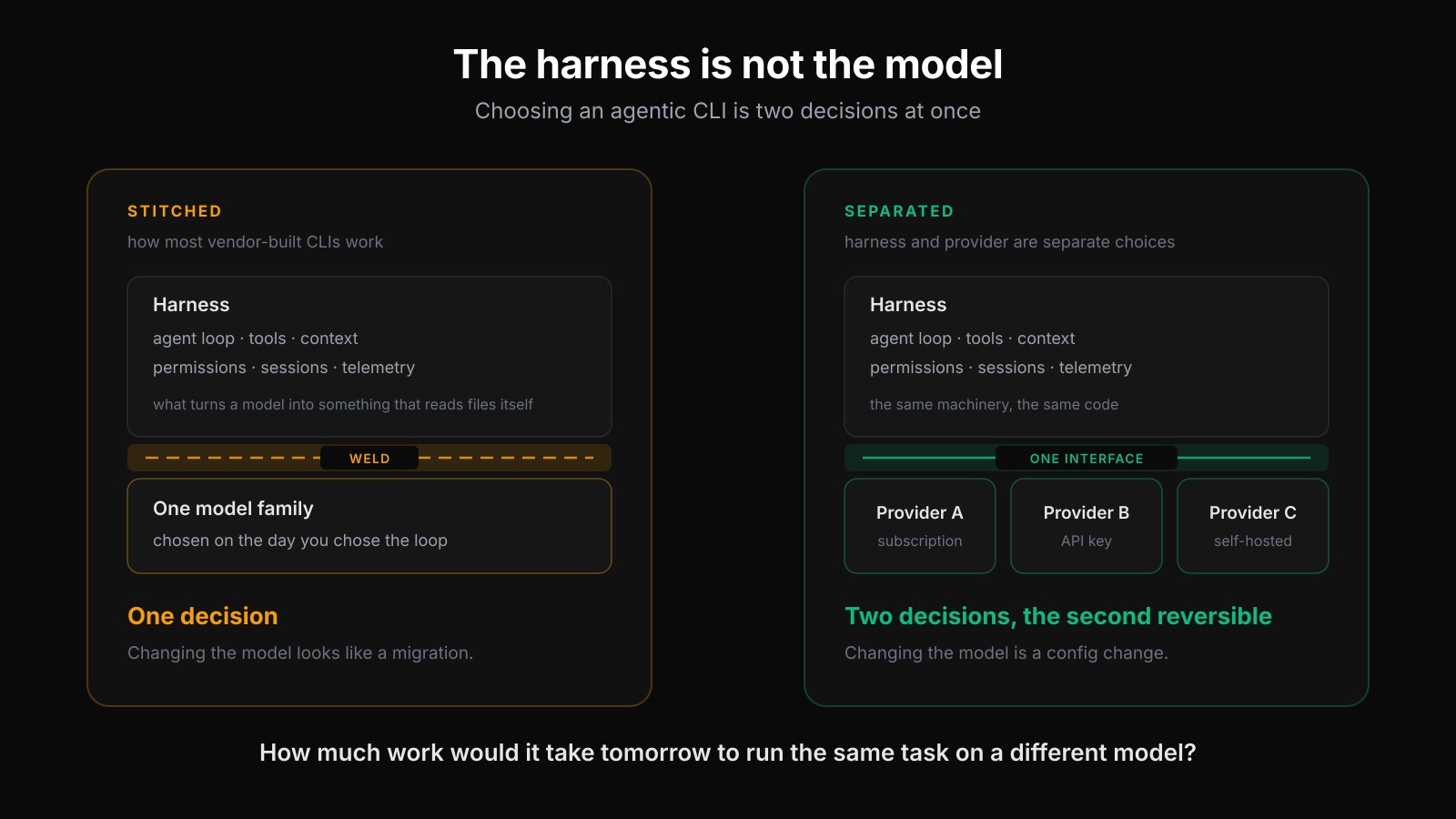
Who really welds the harness to the provider, what the Claude Agent SDK actually locks, and the five layers a model swap rewrites.
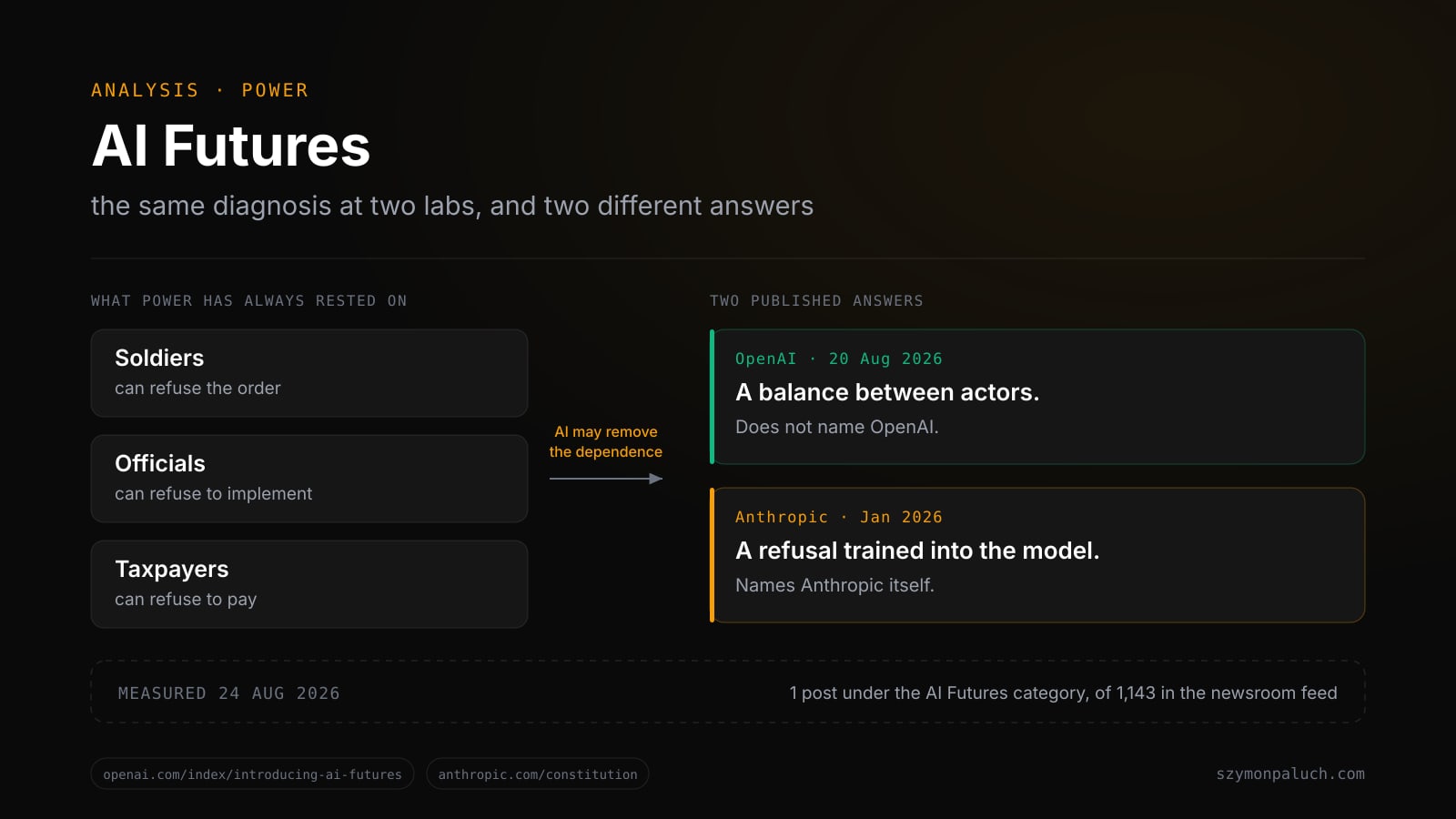
A good argument, the same one Anthropic published seven months earlier, and one citation that leads back to OpenAI.
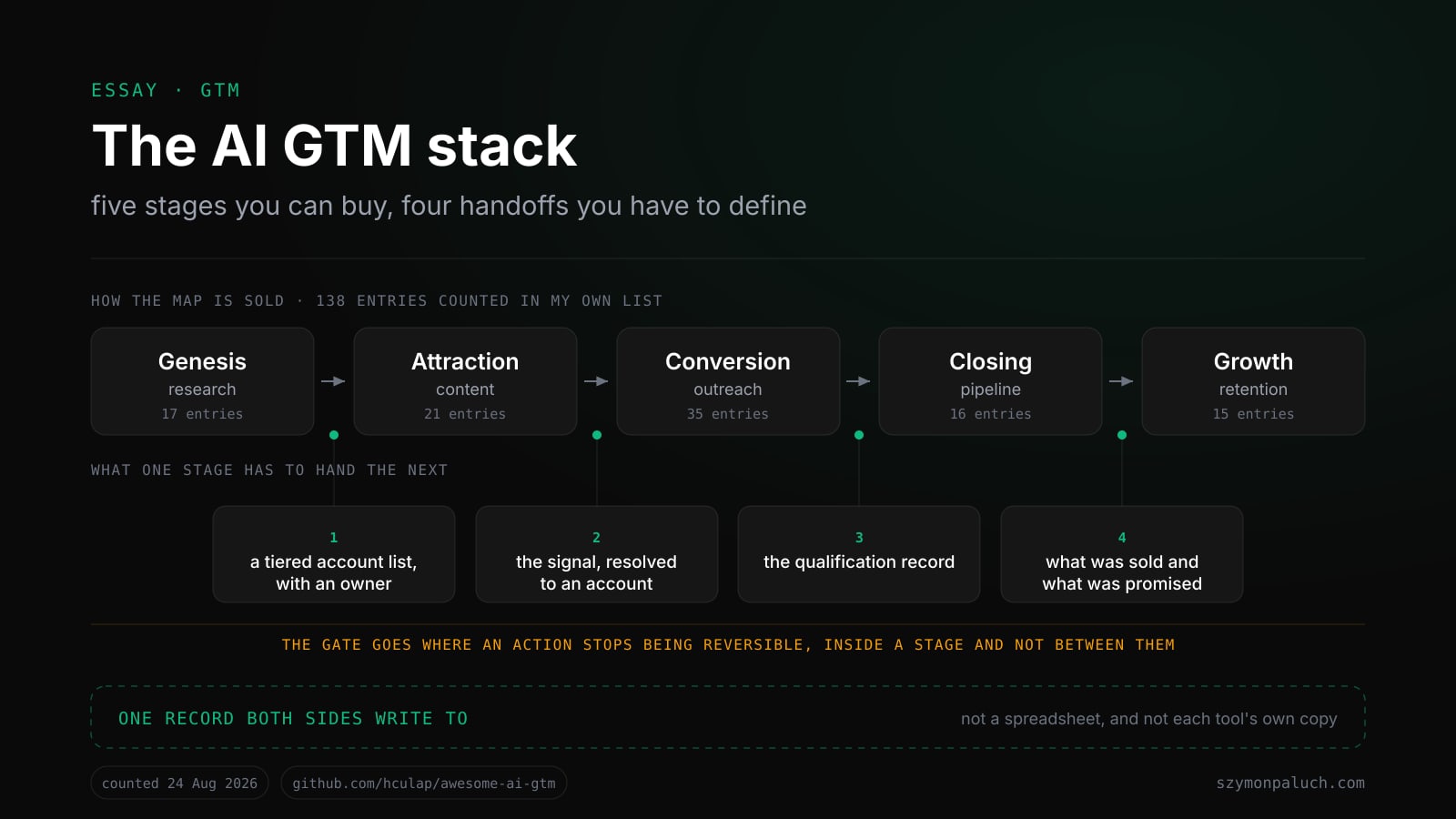
The four handoffs between funnel stages that no vendor sells, what an agent can run alone, and where a person still has to stand.
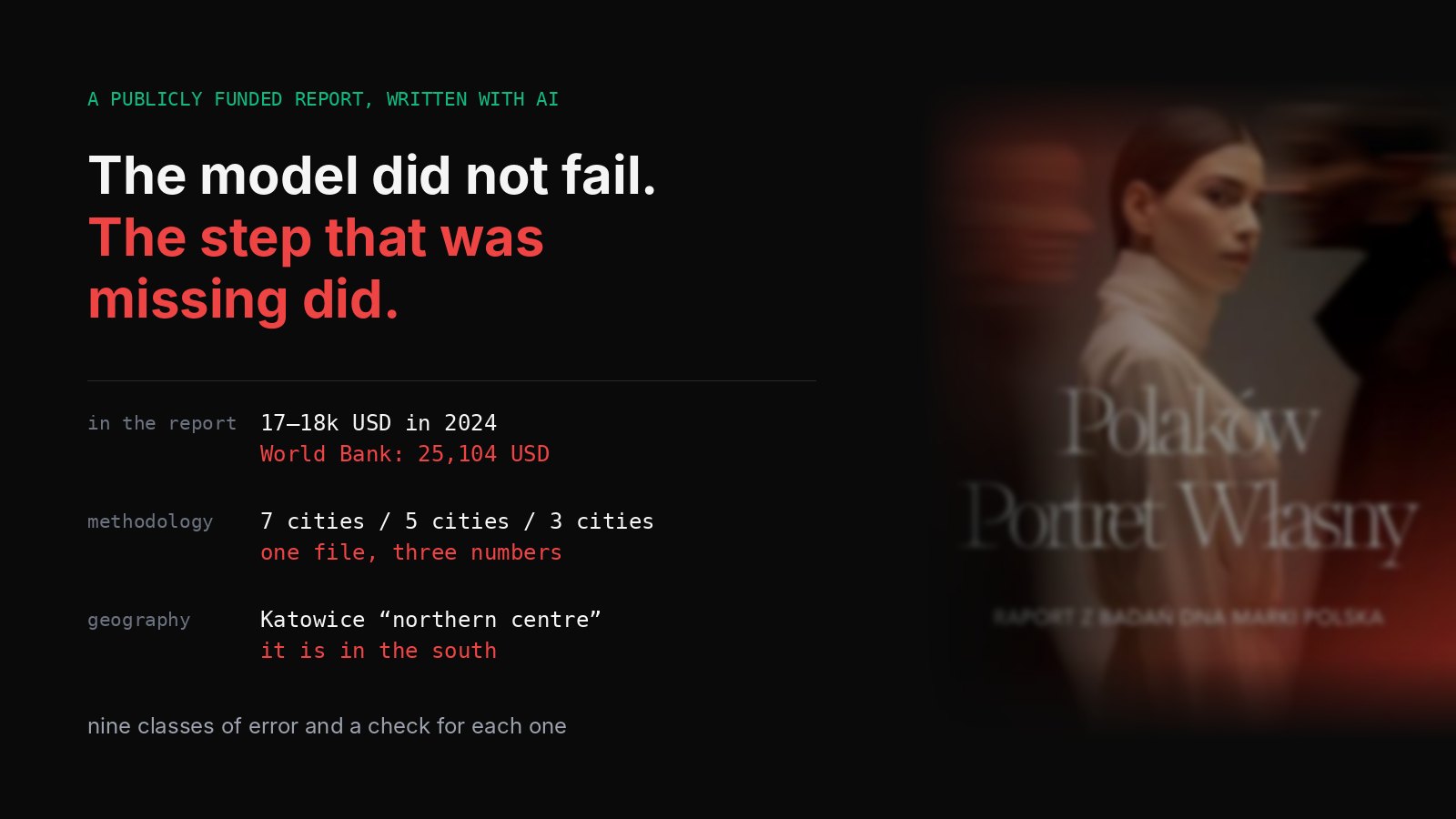
A number that contradicts its own footnote, one methodology in three versions, and nine checks that stop all of it.
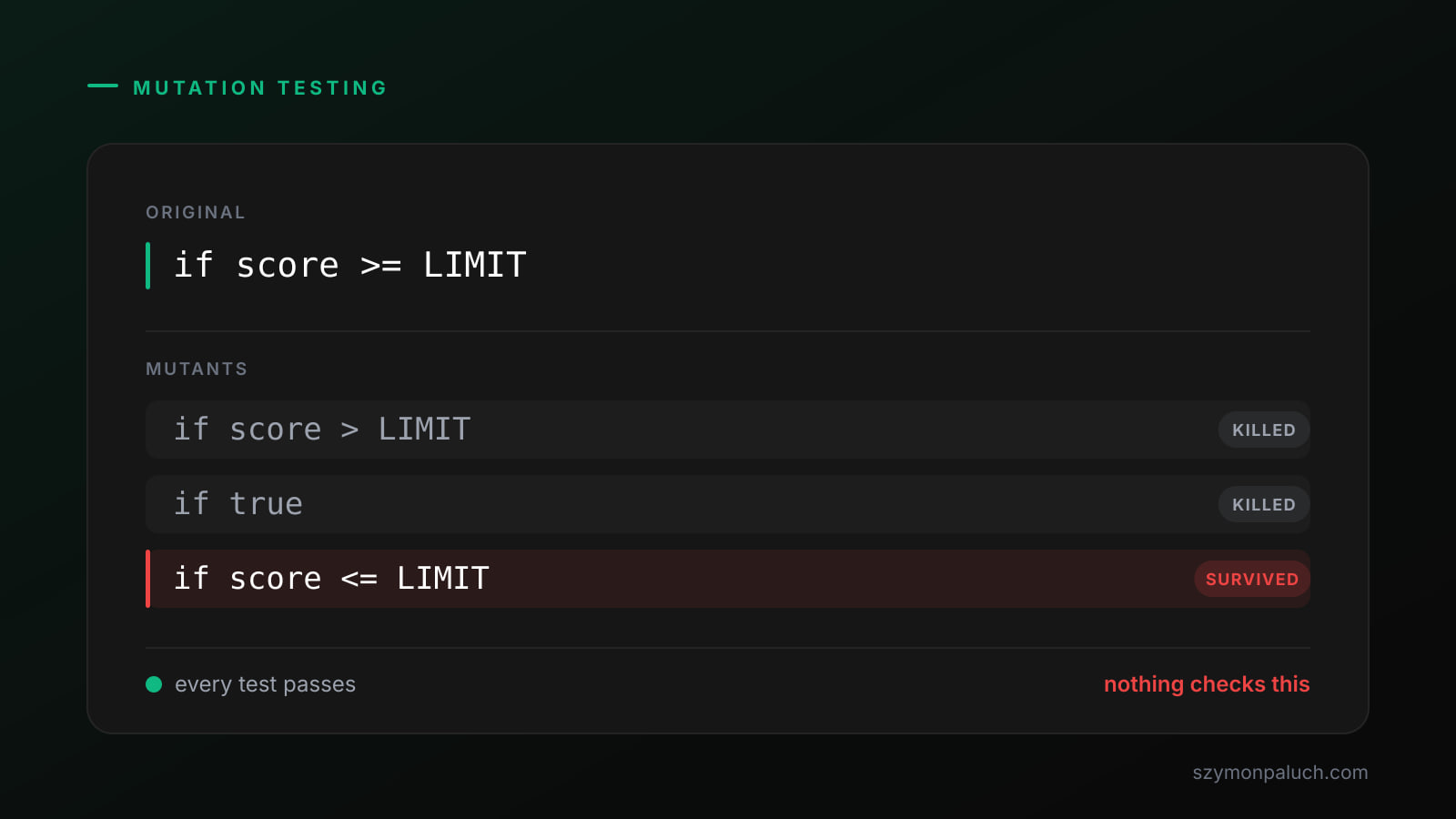
Coverage measures execution, mutation score measures assertion. How mutation works, what it found in production code, and how to run it in CI.
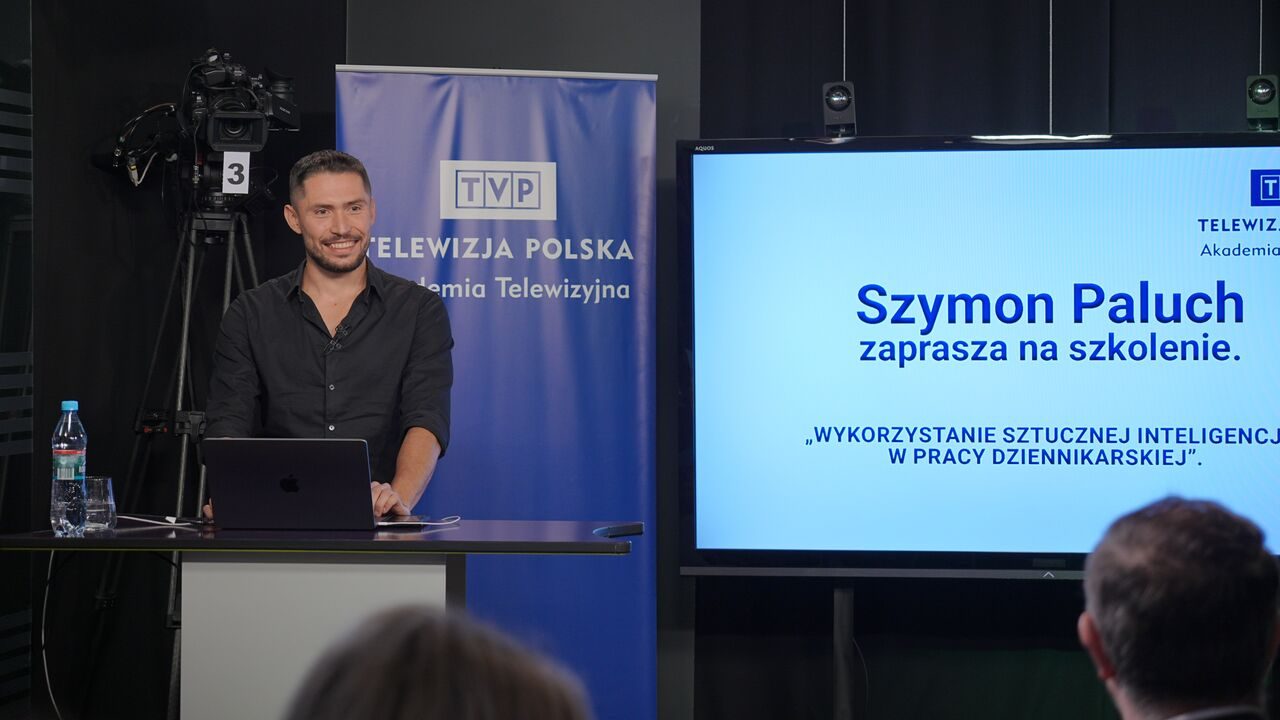
One task instead of twenty tools, the sceptic against the blocker, and six failures from outside the programme. Built on a session for the TVP Television Academy.
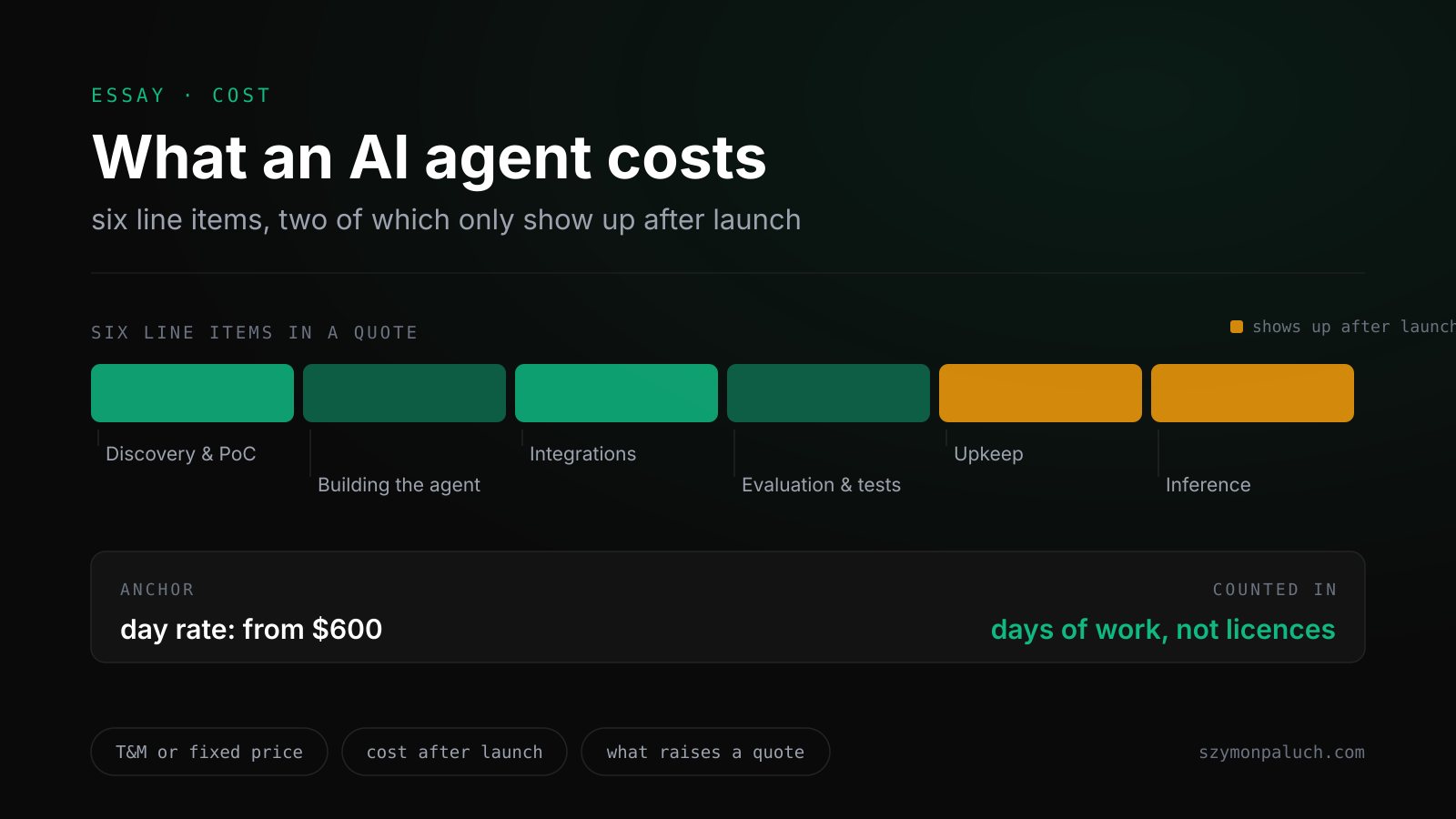
Six line items a quote is made of, two of which only show up after launch. How to count a deployment in days of work instead of licences.
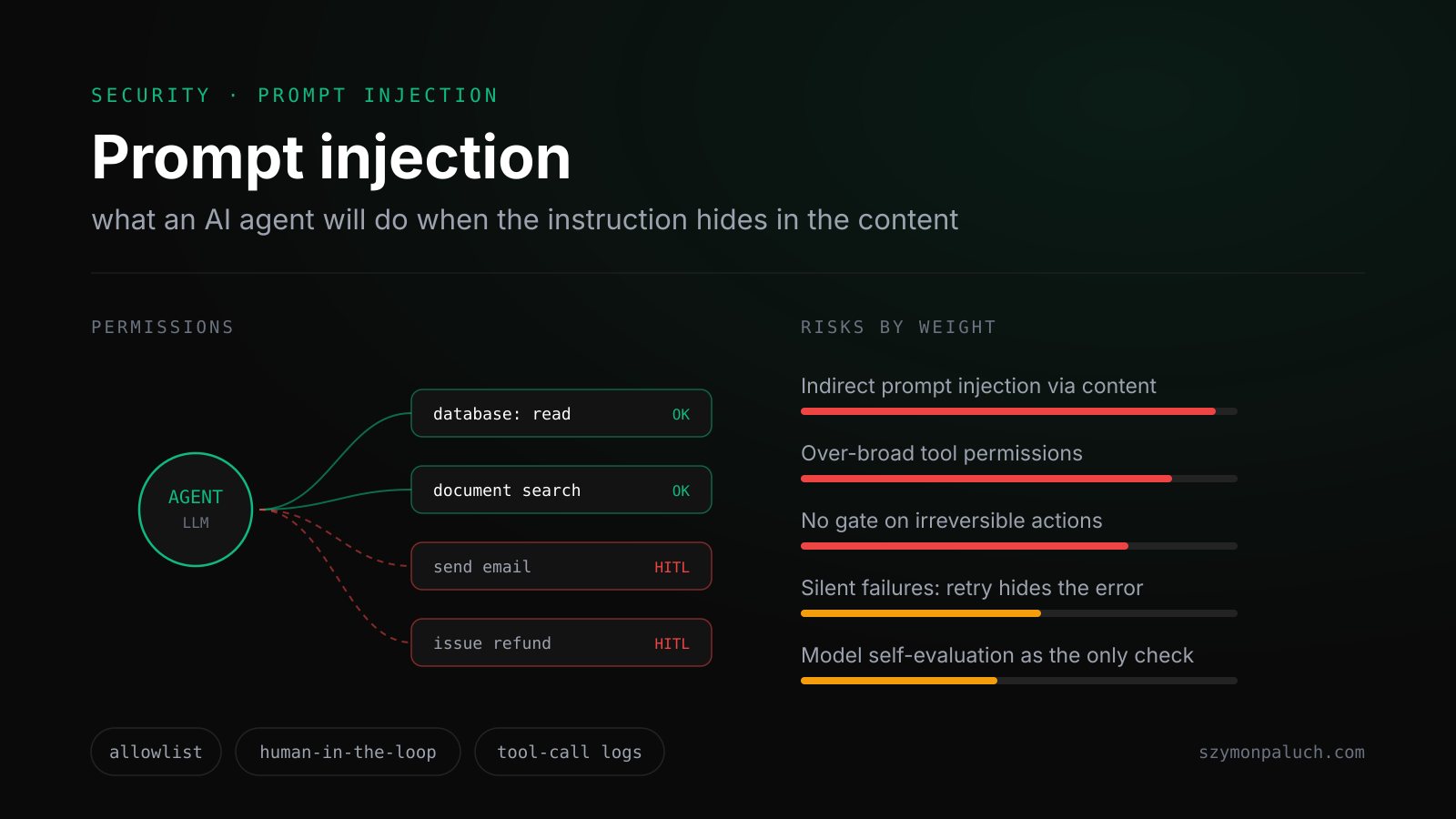
How prompt injection works, five risks specific to agents, and a checklist your team can run before the agent reaches production.
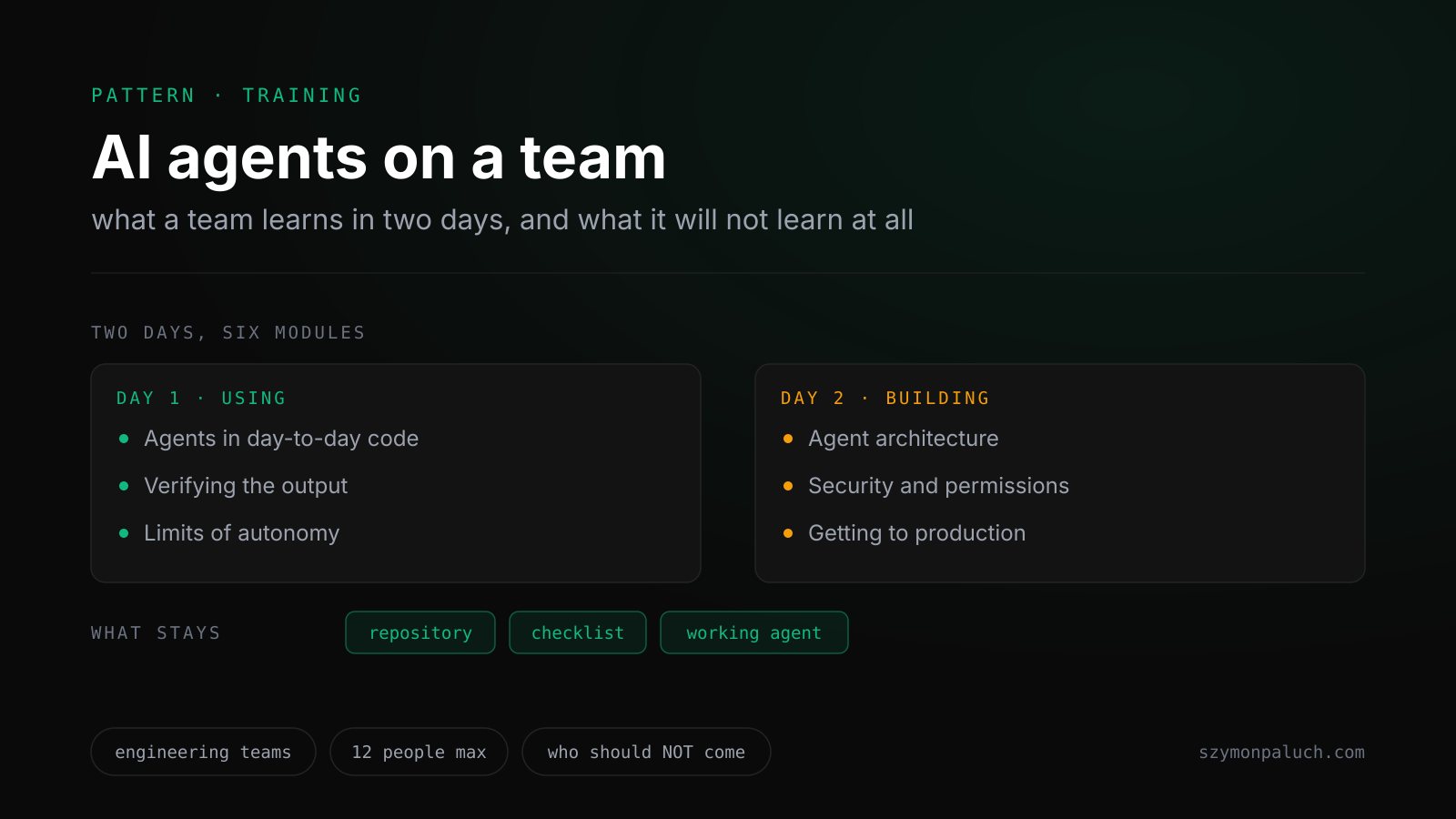
Agents are one of the last steps of AI adoption, not the first. What a team learns in two days, what it will not learn, and who should skip it.
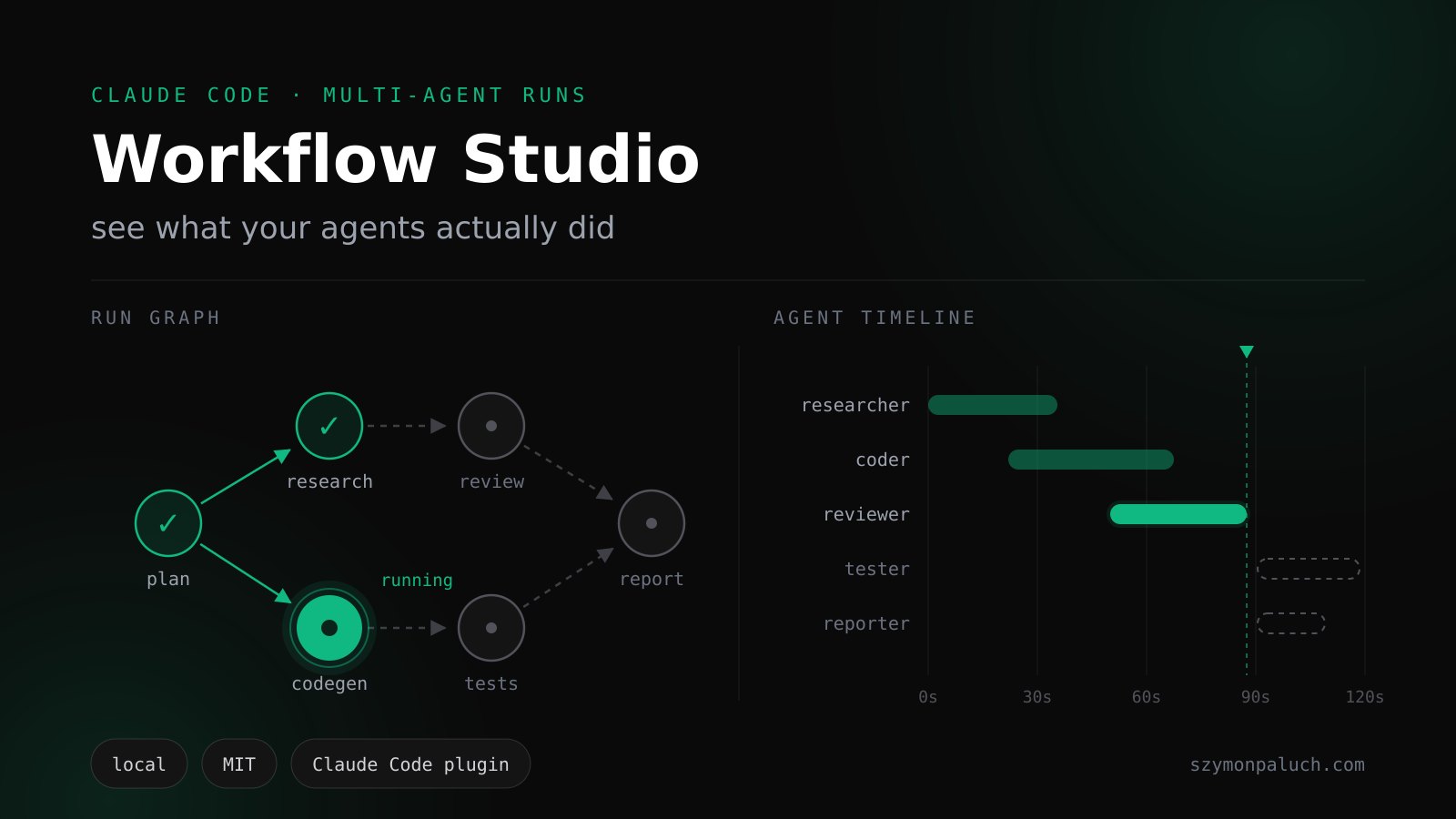
A local dashboard that reads Claude Code's own run artifacts, plus a 12-block canvas that compiles to a runnable Workflow script.
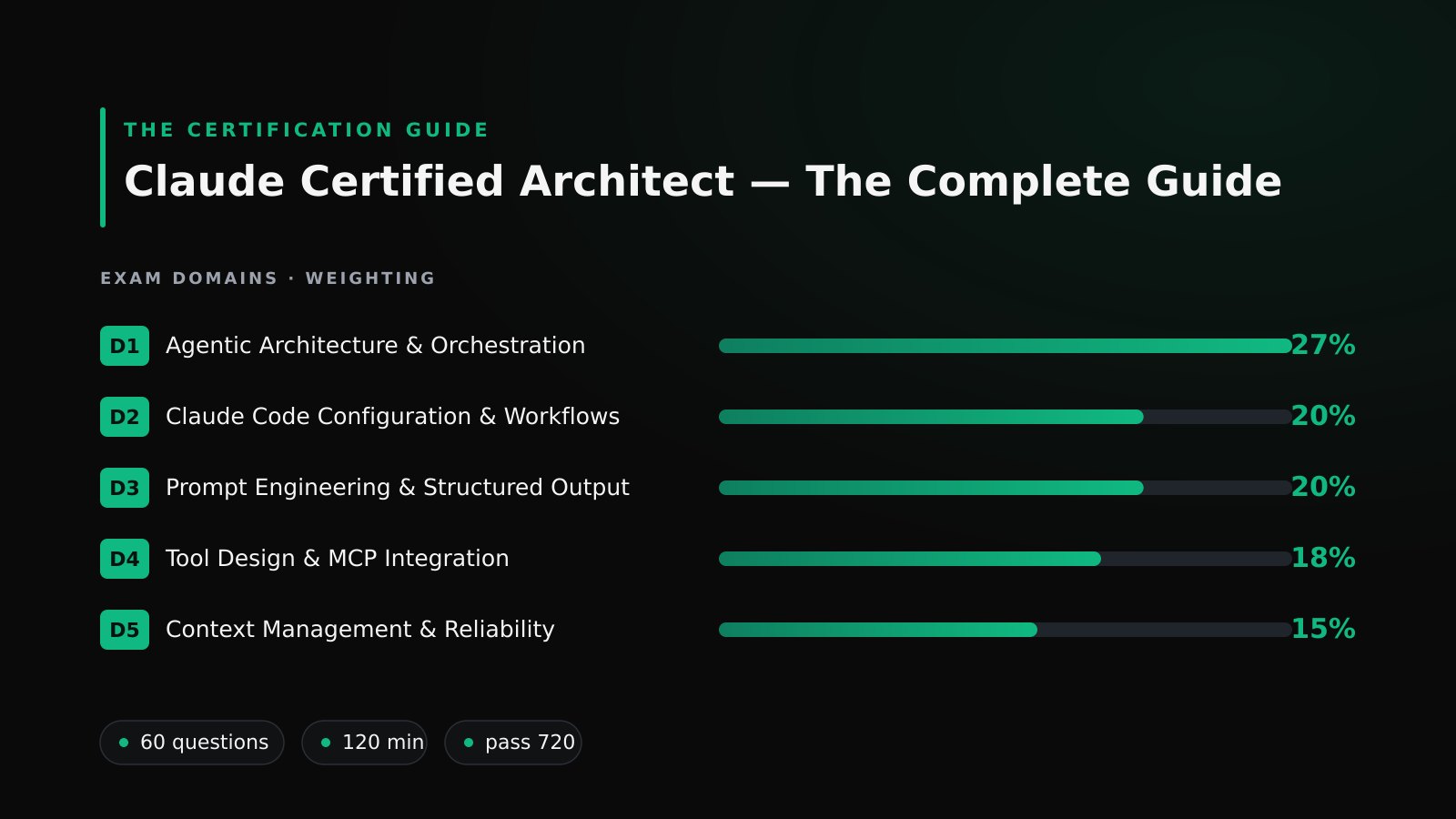
Claude Certified Architect Foundations in one guide: 60 questions, 120 minutes, 720 to pass, five weighted domains, who should take it and a study plan.
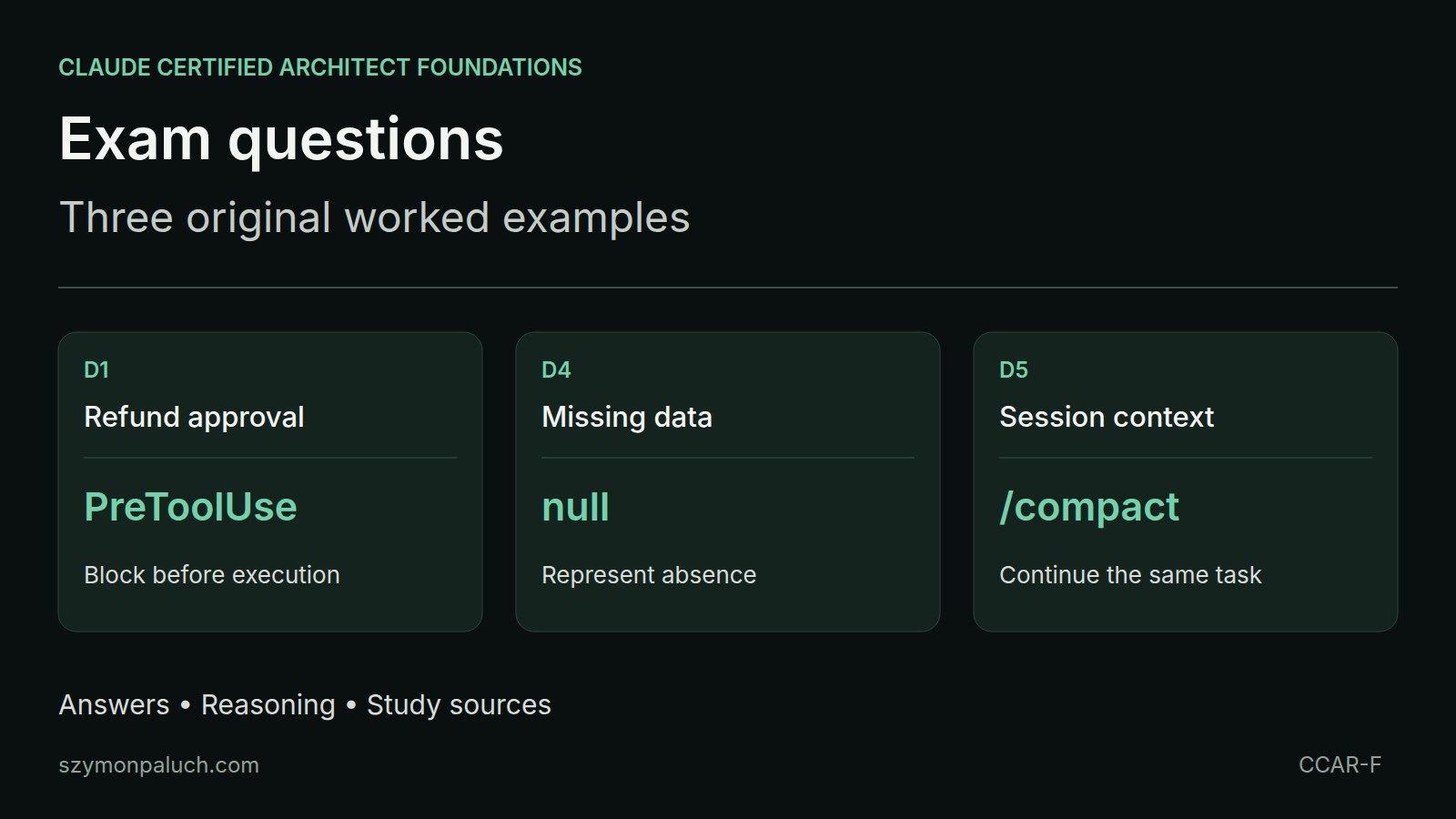
All 60 CCAR-F practice questions with answers and explanations, plus three worked through with the traps and where to study.
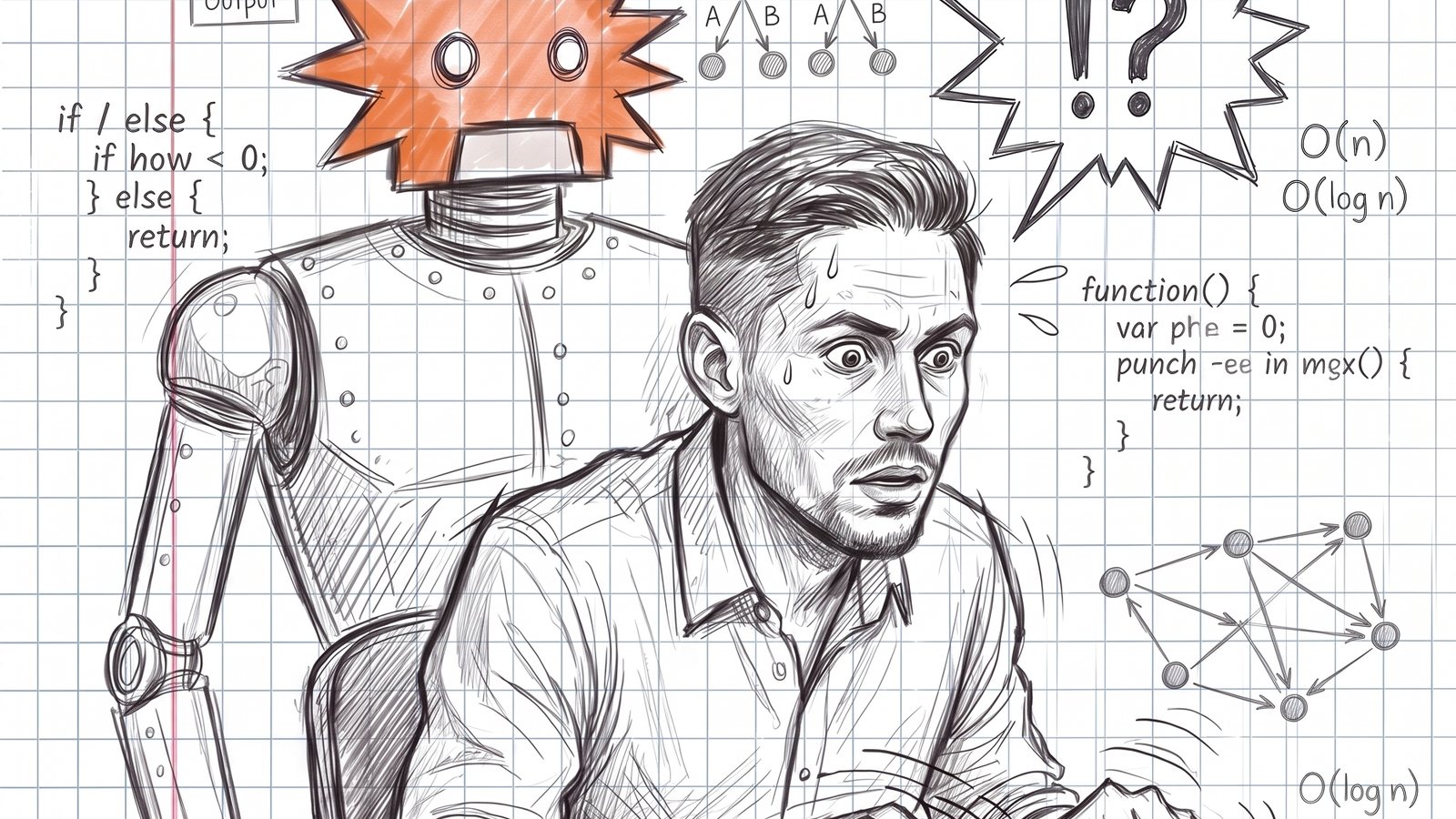
I passed CCAR-F on July 15, 2026. My account of check-in, proctoring, choosing answers and how my exam compared with the sample questions I used to prepare.
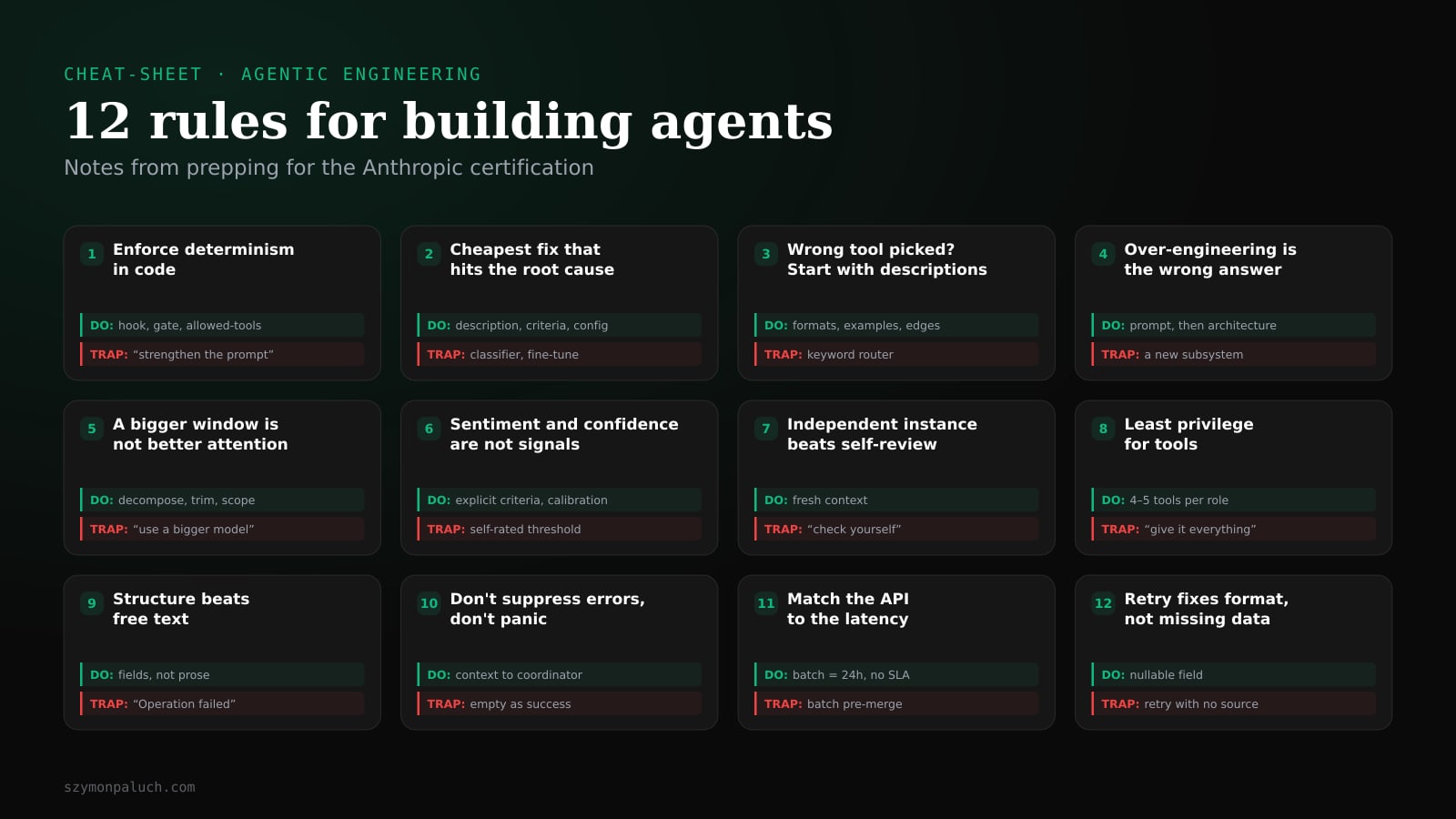
Notes from prepping for the Anthropic certification. The rules that decide whether an agent survives production.
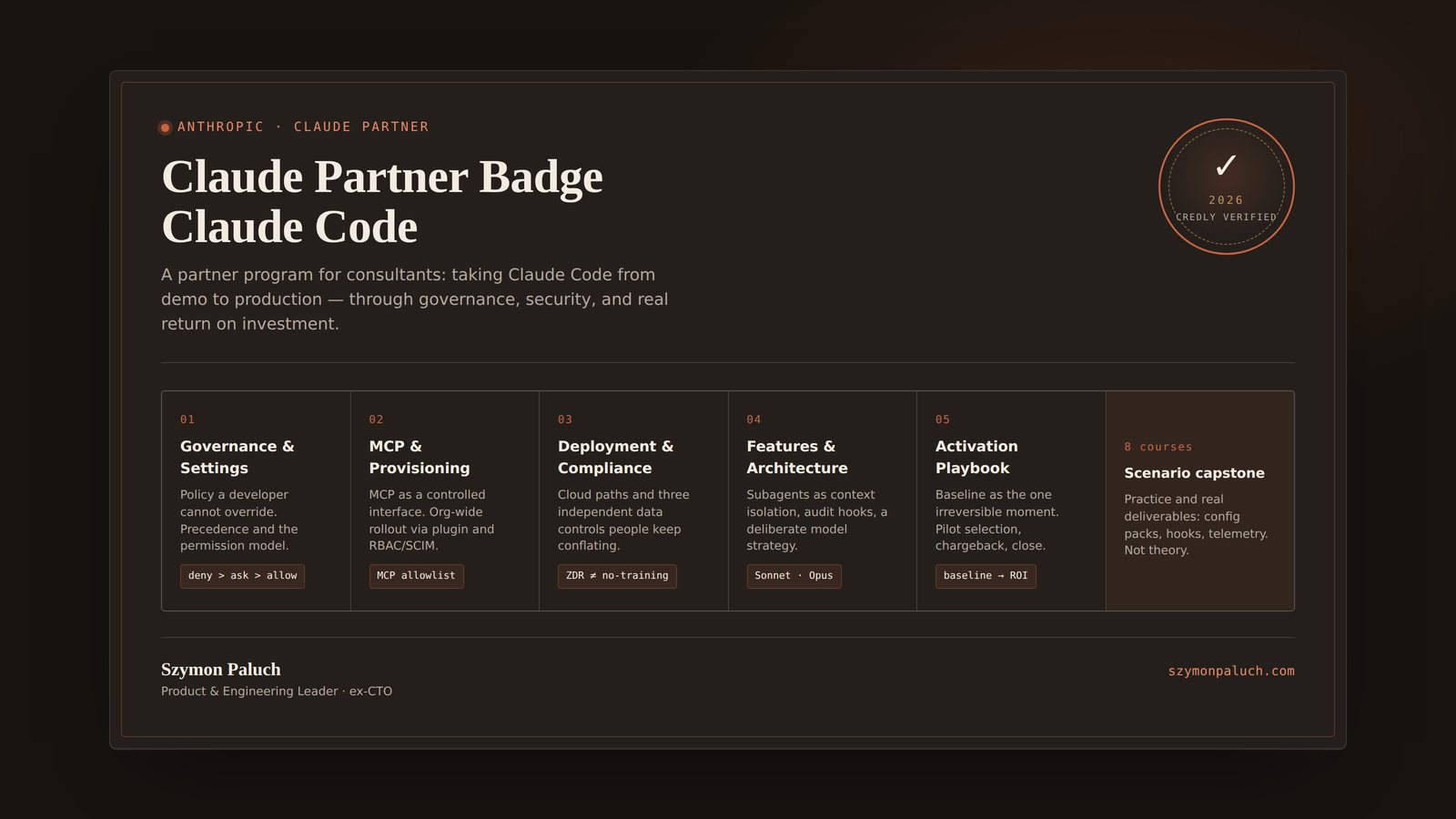
Eight Anthropic courses and a capstone: the Claude Code learning path and what its partner badge confirms.
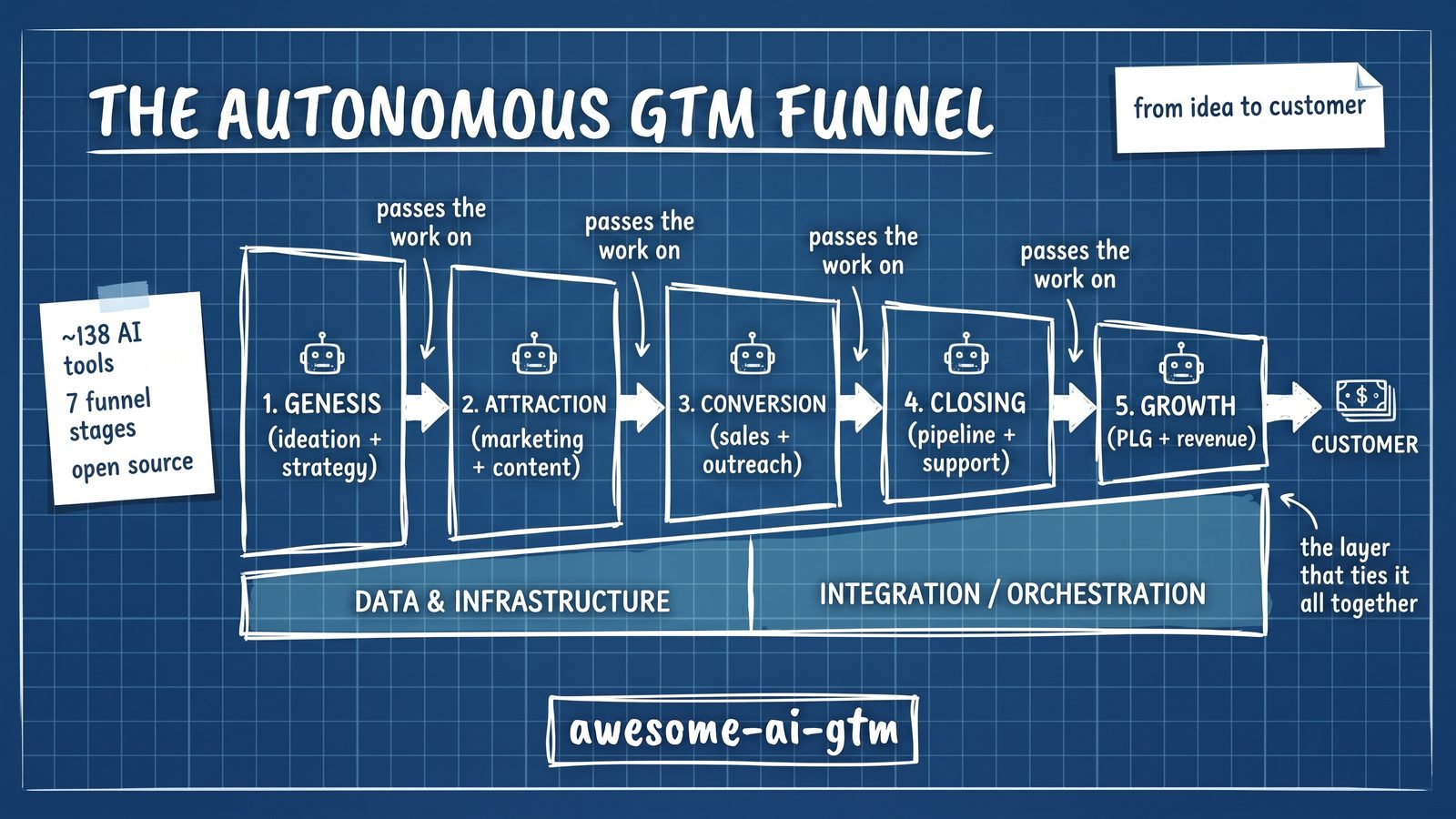
138 AI tools arranged into 7 funnel stages. Not a link list, but a blueprint.
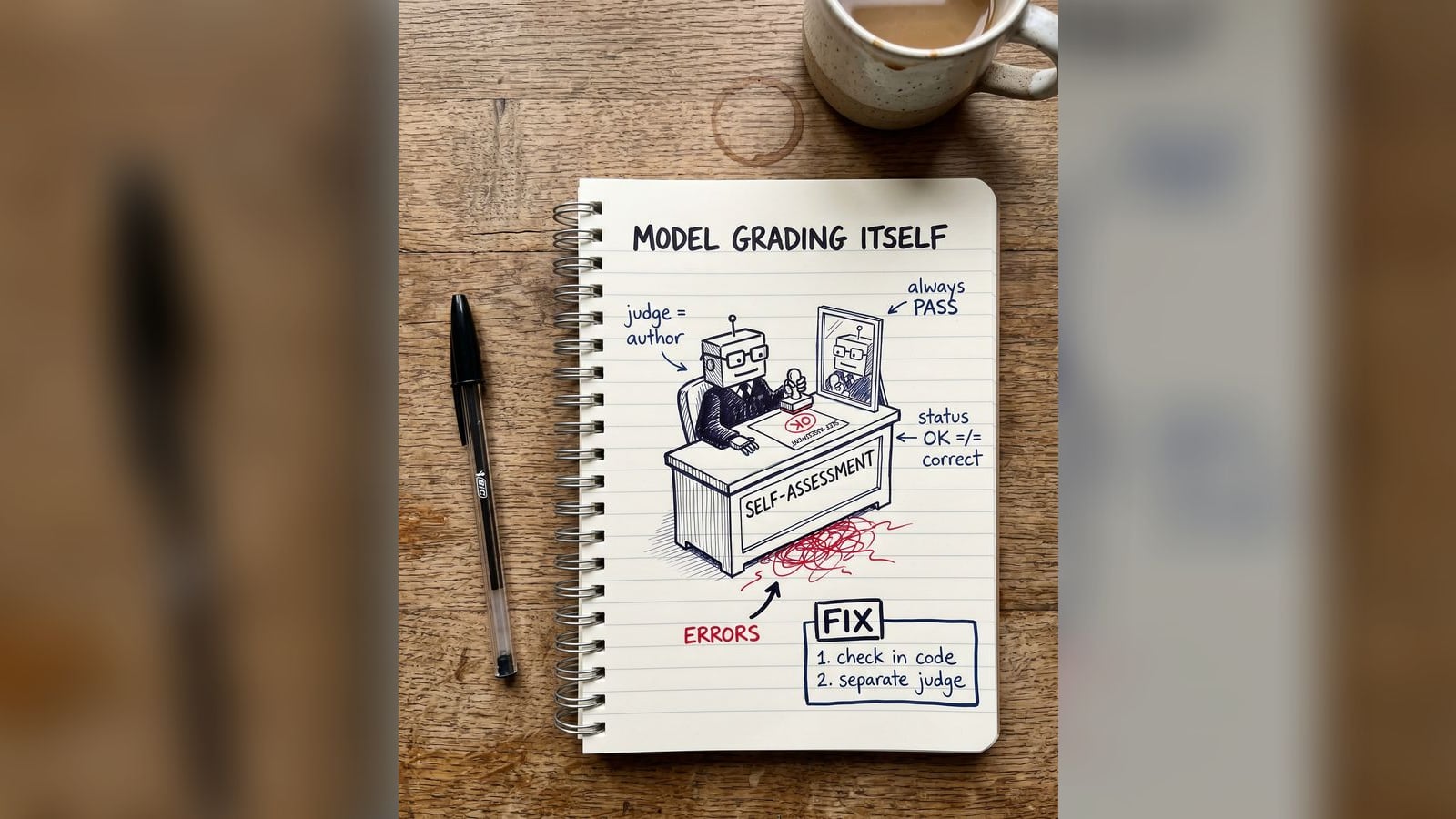
The most common agentic engineering pitfall — and the fix.
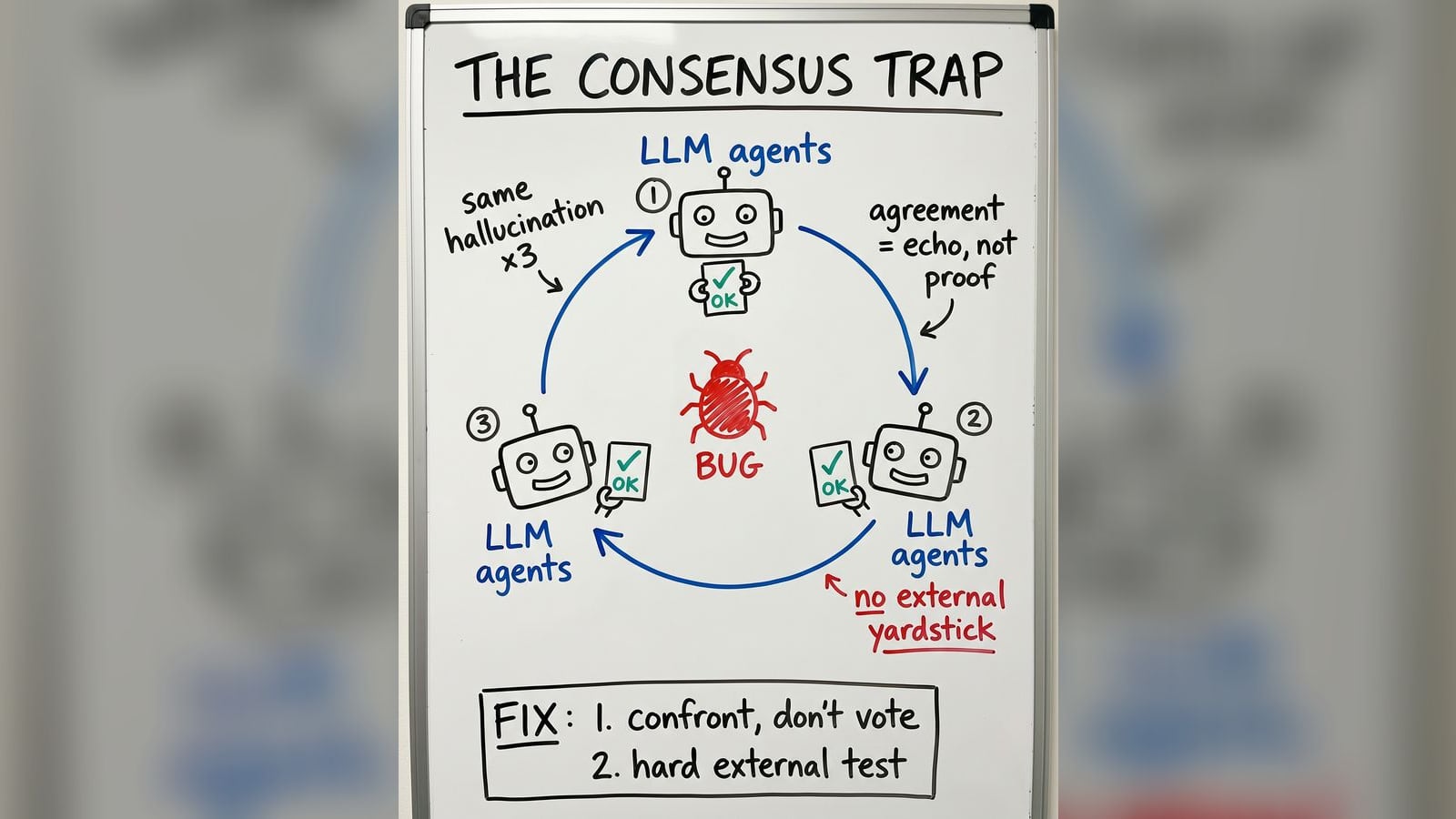
Three models agree and fail the same way. What to do instead of voting.
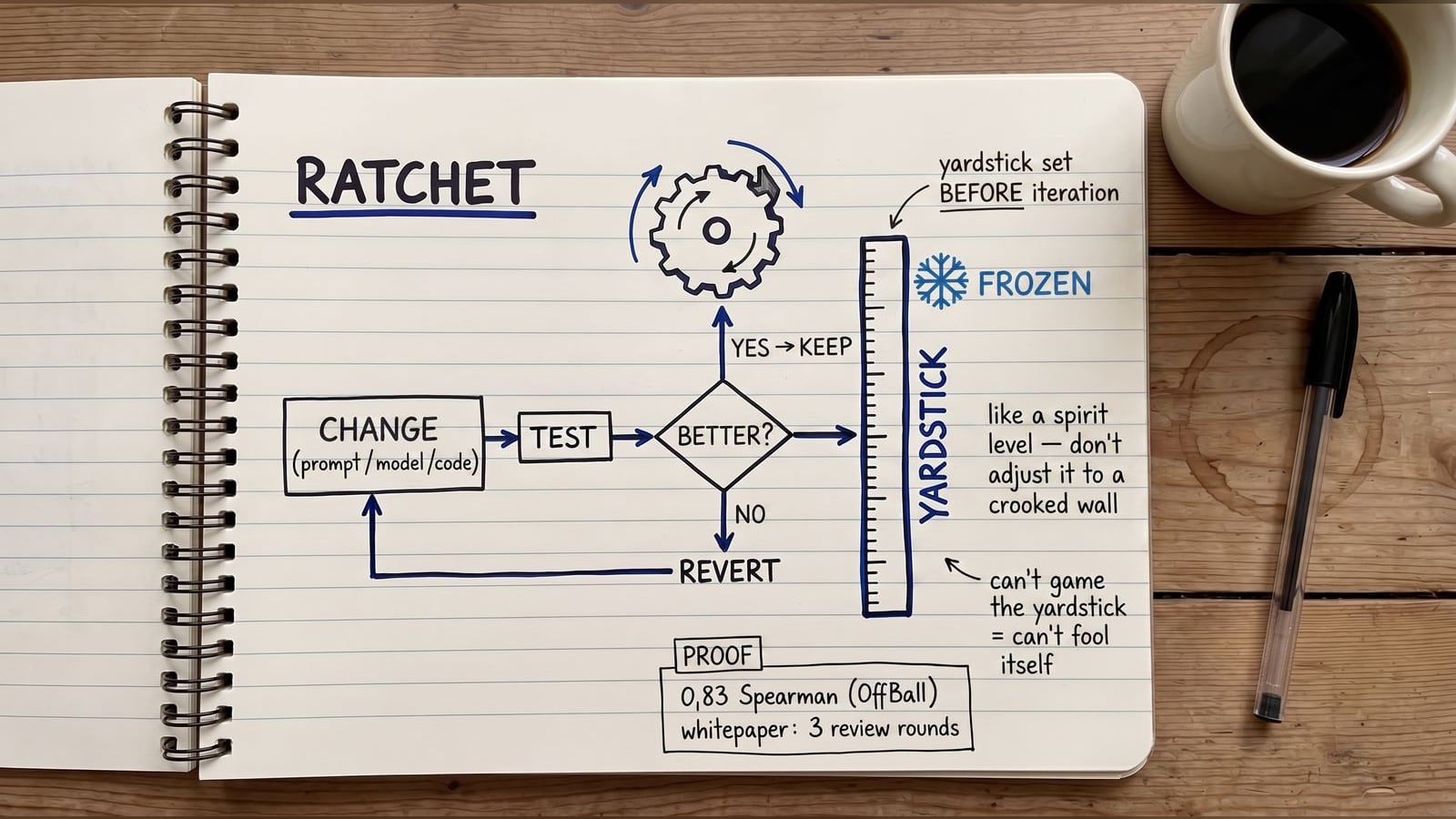
Keep-if-better, else revert — a pattern you can’t game.
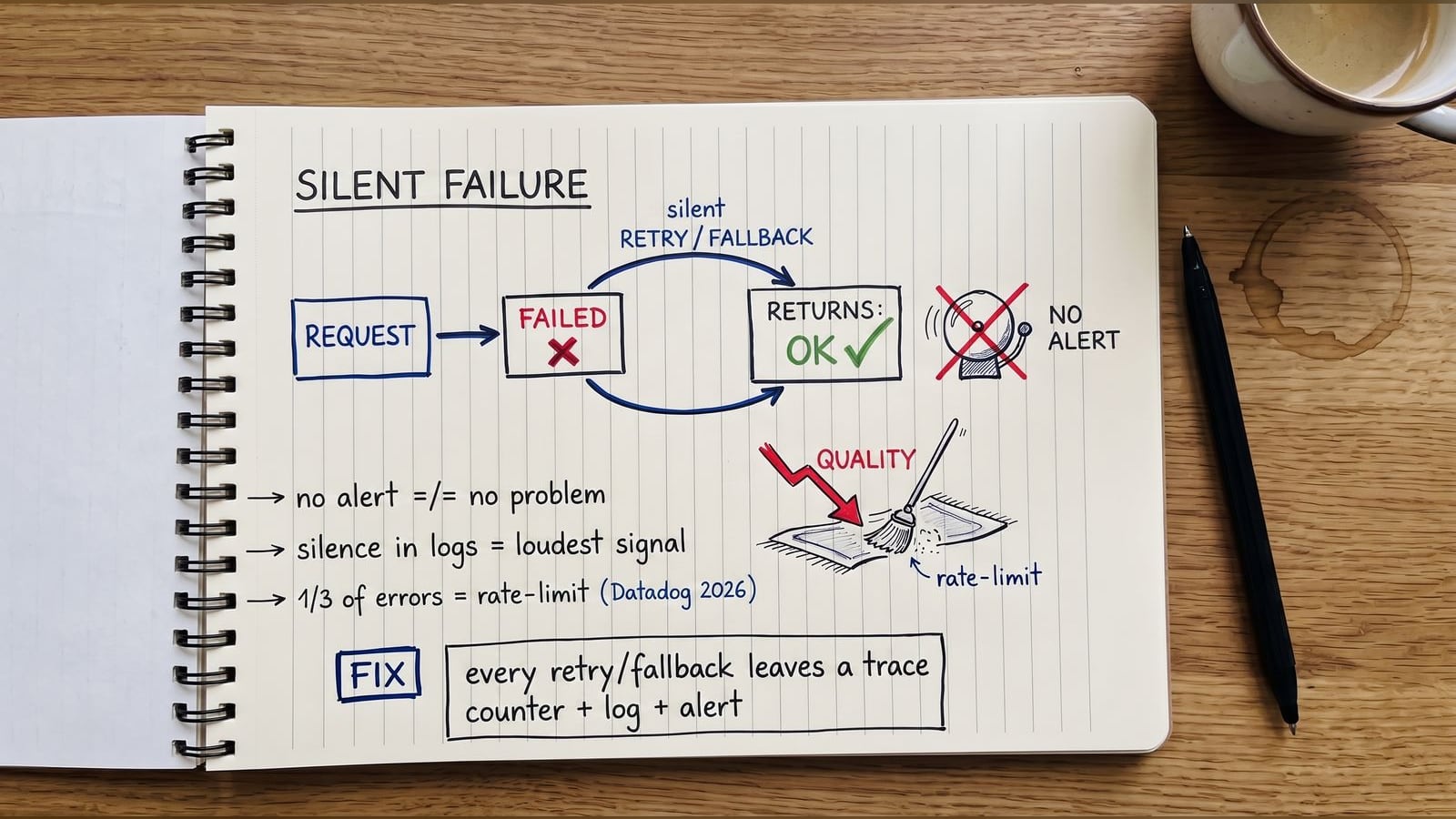
Silent retry and fallback return “OK” and hide the errors.
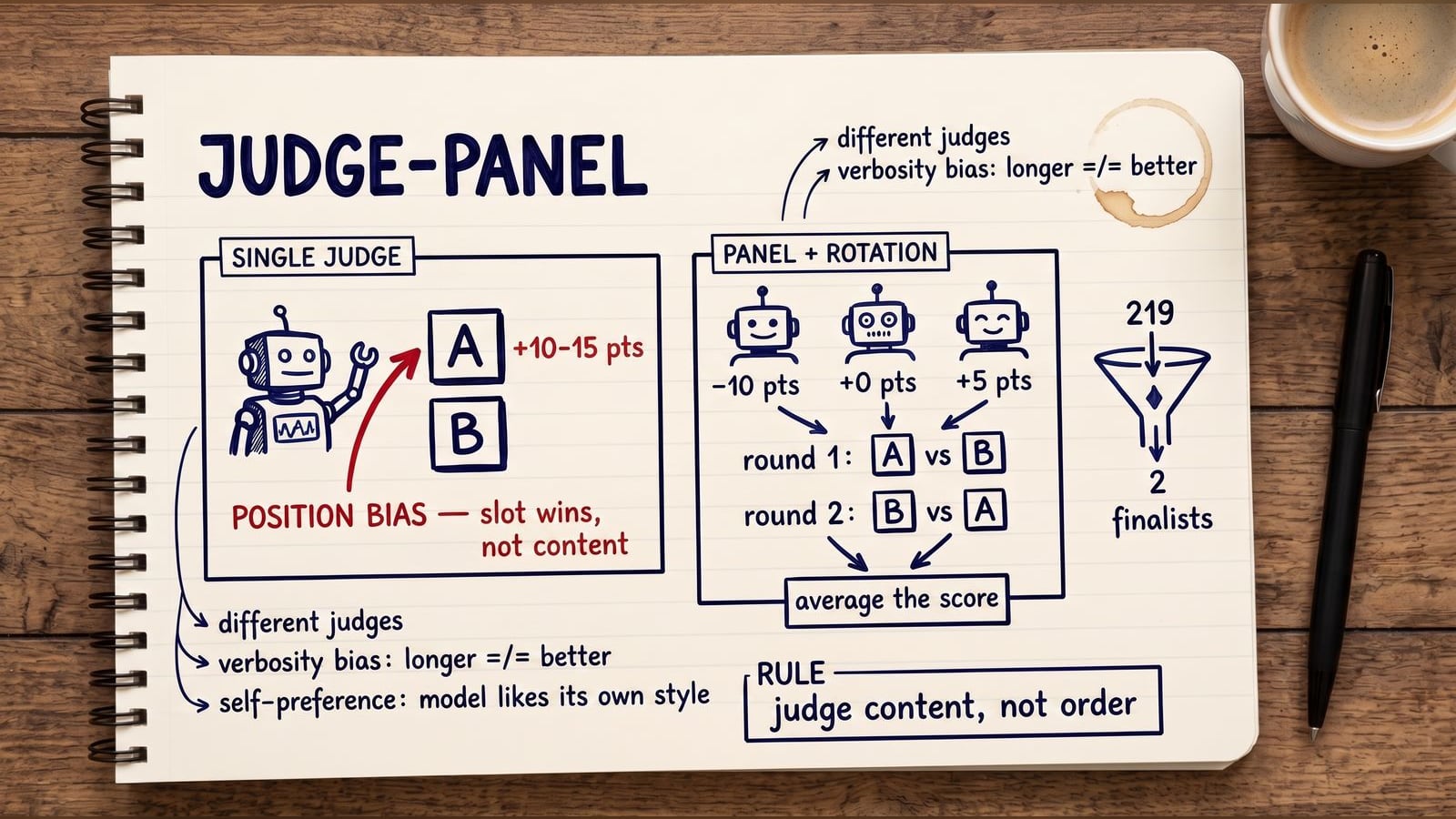
An adversarial panel with rotation instead of a single judge.
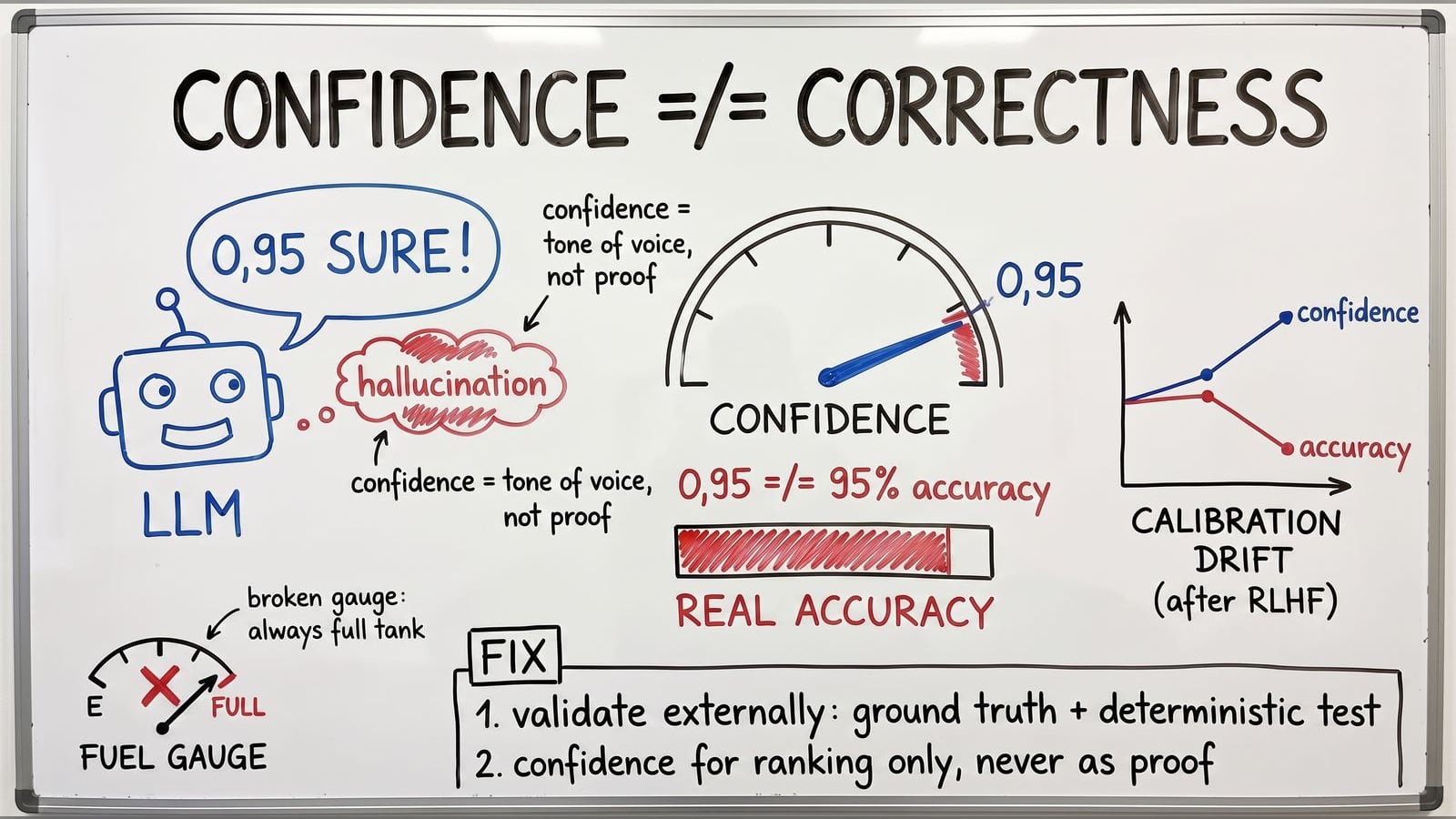
Confidence is a tone of voice. Validate it from the outside.
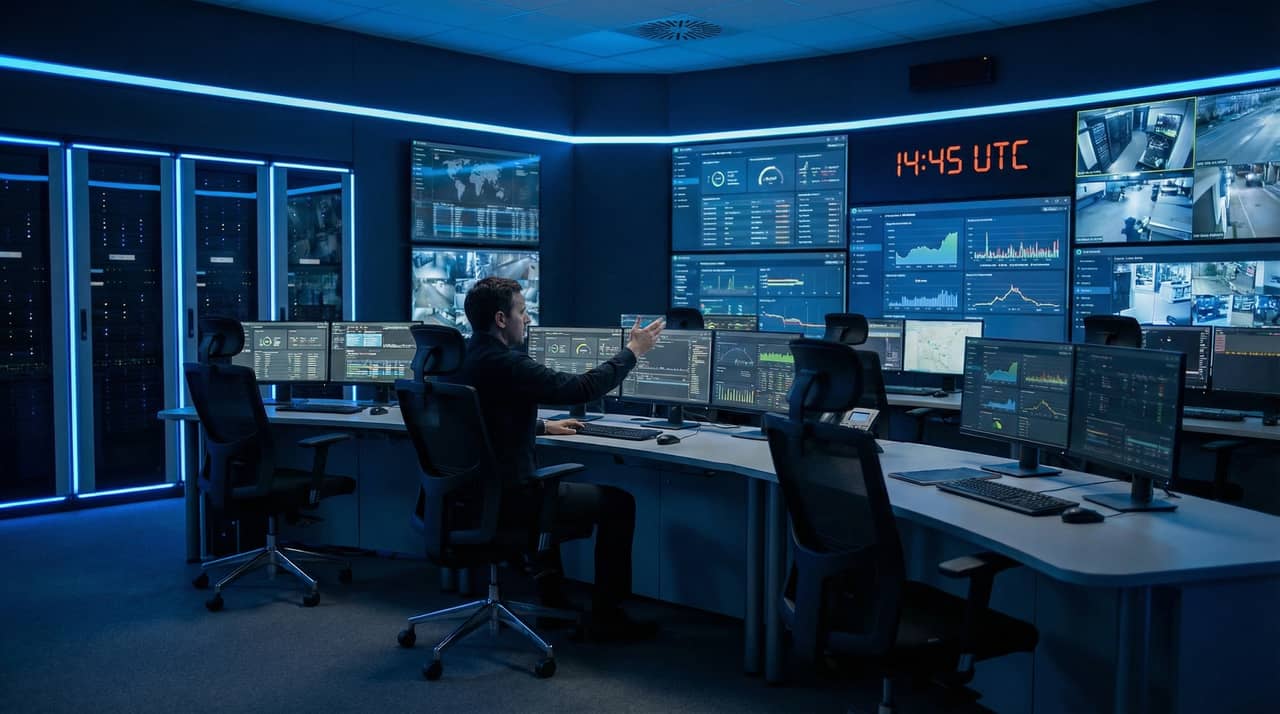
What bounded autonomy means, its four pillars and how it differs from constrained and governed autonomy.

A checklist that will save you months and thousands.

A governance framework that works in practice.
Orchestrating multiple agents and communication patterns.
When and how to combine different AI models in one system.

How we built an agent for route optimization.

What changes when an agent hits production.
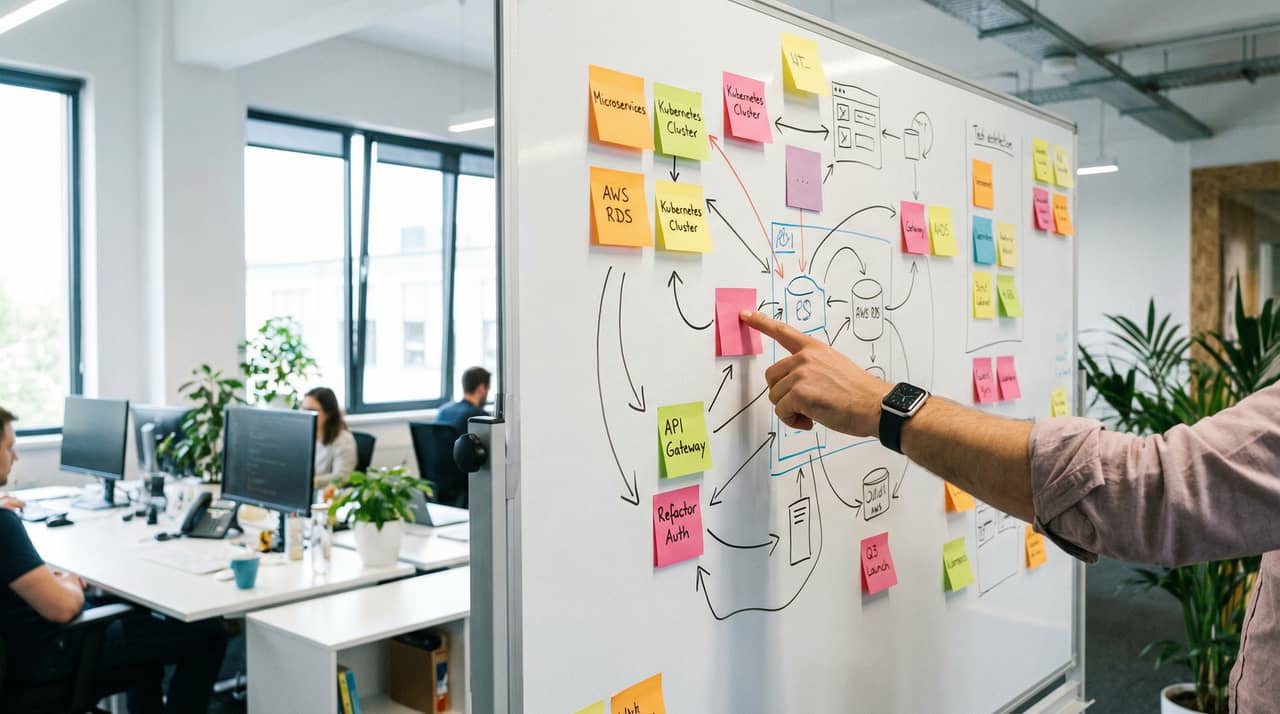
The stack I use in every agent project.

62% of companies are experimenting with AI agents. Only 11% have them in production.
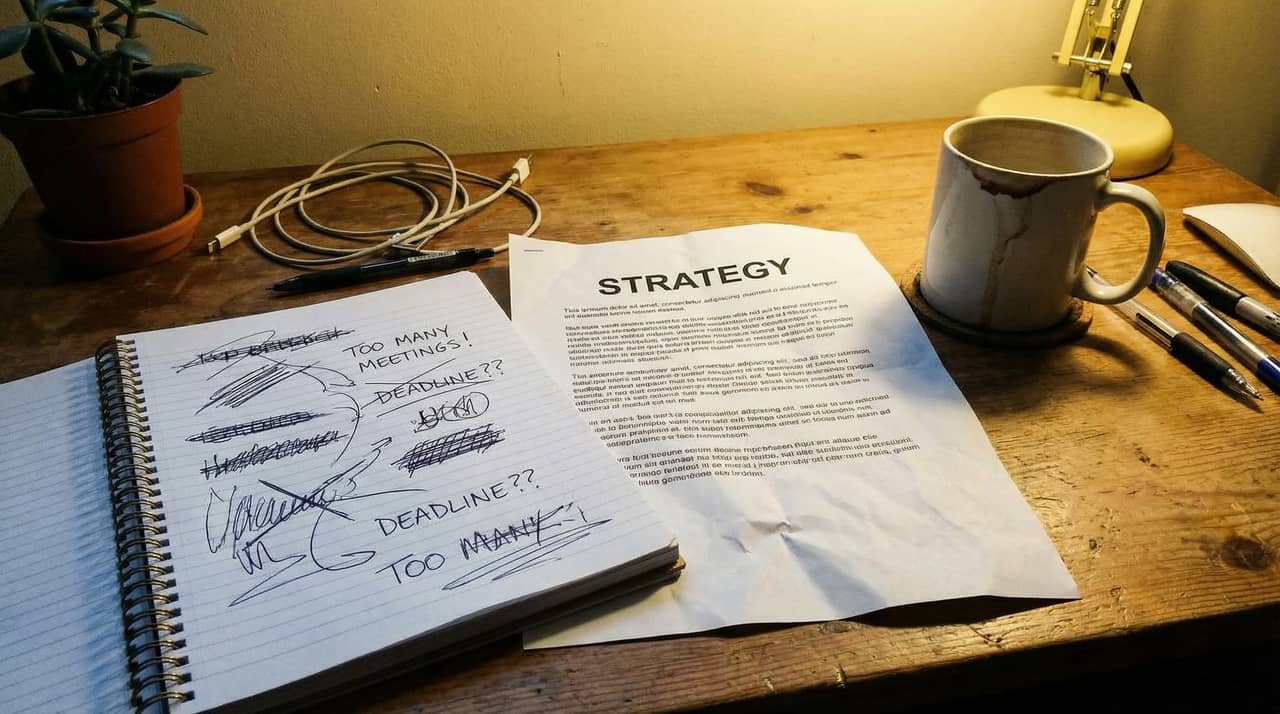
Strategy documents vs. real change in the organization.

The metrics that actually show the value of a deployment.

Integrating AI agents with existing infrastructure.

How the role of the tech leader is changing.

Why every AI team needs someone owning ethics.

How to prepare your team to work alongside AI agents.
Practical patterns, case studies and AI news. Zero spam, once a week.
You'll get one email to confirm. Unsubscribe with one click. Privacy policy