Updated
AI in logistics: A transformation case study
How a logistics company cut costs by 23% using AI. No magic, just the facts.
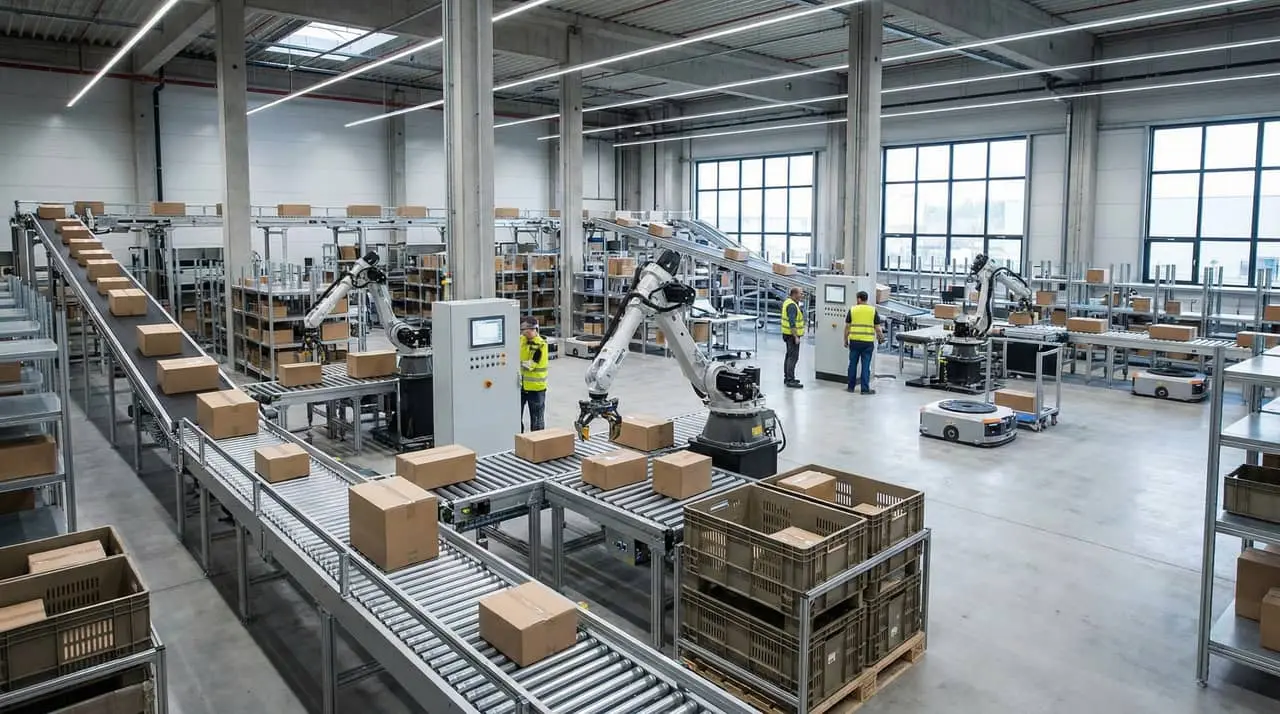
Company X (names changed) had a problem: transport costs were climbing, routes were sloppy, and a team burned 6 hours a day planning deliveries by hand. After 8 months of working with AI, costs dropped by 23%.
Starting point
A logistics company, 150 vehicles, 3,000 deliveries a day. Dispatchers planned routes in Excel and in their heads. The experience was priceless, but it didn't scale.
PROBLEMS BEFORE IMPLEMENTATION
- • 6 hours a day spent on route planning
- • 15% empty runs
- • No real-time response to changes
- • Knowledge locked in the heads of 3 seniors
Phase 1: Understanding the problem (Weeks 1-4)
We didn't start with AI. First we sat down with the dispatchers and watched how they worked. It turned out 80% of decisions came down to simple rules, and 20% needed experience.
That 80% is perfect territory for AI. That 20% we left to people.
Phase 2: MVP (Weeks 5-10)
Instead of building an "AI platform for logistics," we built a single tool: a route optimizer for 10 vehicles in one region.
MVP SCOPE
- ✓ Data: route history from the last 6 months
- ✓ Model: a simple optimization algorithm + ML that estimates time
- ✓ Output: suggested routes in a format the dispatchers already know
- ✓ Human in the loop: the dispatcher accepts or modifies
That's the AI-First, Human-Review pattern, one of four ways of splitting work between a human and AI.
This is what I do hands-on: advising on AI strategy and building agents that survive the demo.
Phase 3: Learning (Months 3-4)
The first results were mixed. The AI suggested routes that looked optimal on paper. In practice they ignored reality: traffic at certain hours, clients you have to call ahead, weight limits on some streets.
"The dispatchers became the AI's teachers. Every rejected suggestion taught the model something new."
We built a feedback loop: when a dispatcher modified a route, the model learned why.
Phase 4: Scaling (Months 5-8)
The pilot hit 85% suggestion acceptance. Then we started scaling, region by region, not all at once.
Every region had its own quirks. The model learned the local patterns. After 8 months we had a full rollout.
I described that wave-by-wave, controlled rollout as the fifth stage on the road from pilot to scale.
The Agentic Architect
Practical patterns, case studies and AI news. Zero spam, once a week.
You'll get one email to confirm. Unsubscribe with one click. Privacy policy
Results
METRICS AFTER 8 MONTHS
- Transport costs: -23%
- Planning time: from 6h to 45 min
- Empty runs: from 15% to 7%
- On-time deliveries: from 91% to 97%
What didn't work
Transparency. We wanted to roll out demand forecasting, but the data from clients was too inconsistent. We put it off for later.
Real-time rerouting worked in theory, but drivers didn't want to change routes mid-day. The cultural shift turned out to be harder than the technical one.
Lessons
- 1. Start with observation, not technology
- 2. An MVP is one feature, not a platform
- 3. People are part of the system, not an obstacle
- 4. Feedback loop > bigger model
- 5. Scale slowly, region by region
How to repeat it
Want to repeat that 23%? Start with one process, not the whole company. Build a small tool, hand it to people, gather feedback and keep improving the model. It took us 8 months. Anyone who promises that result in one click simply hasn't done it yet.
Case study based on a real consulting project. I changed the company name and details to preserve confidentiality.